



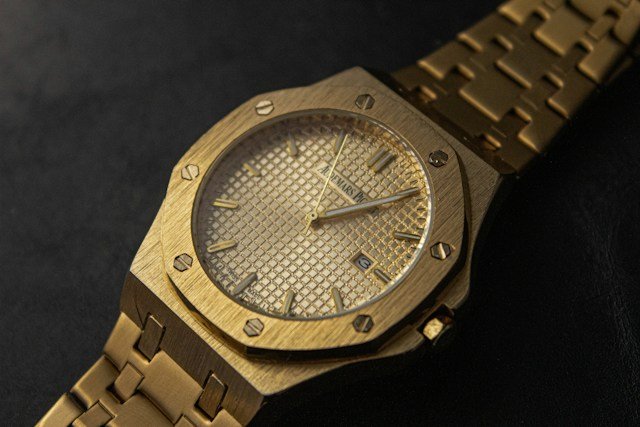
There are luxury watches, and then there are ones that exist in a class of their own, the Audemars Piguet variety. You can think of them as having their own special category, with production numbers that are strictly limited, distribution channels that are carefully managed, and a design legacy that collectors talk about in the same hushed tones as when discussing art. Selling an AP on the pre-owned market is therefore a whole different ball game from trading in most other Swiss timepieces. For someone who needs to sell, getting your head around how that market works, and why the sales channel can be just as important as the watch itself, is the foundation of ending up with the best possible outcome.
Why AP Resale Value Works Differently?
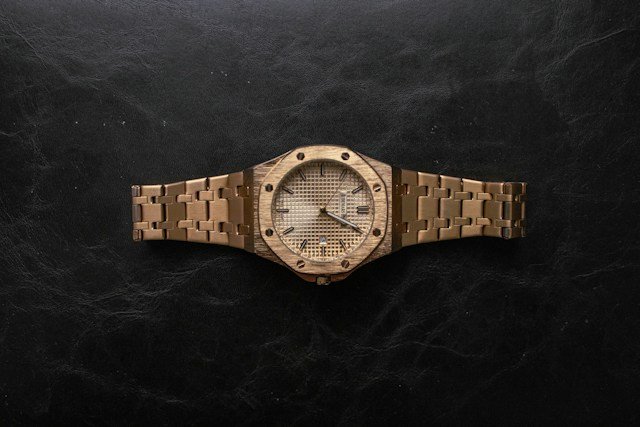
Those searching to sell my Audermans Piquet for cash will quickly find that the Royal Oak, first launched way back in 1972, dominates the conversation. It was more than just a popular watch design; it revolutionised the way the entire Swiss watch industry thought about luxury sports watches. The octagonal bezel, integrated bracelet and exposed screws all combined to create a template that a whole lot of other manufacturers would go on to copy. But the collector demand for original examples is driven by real appreciation for the engineering and design that went into them, not by speculative interest that just dries up whenever market conditions change. That gives the Royal Oak’s pre-owned value a stability you just don’t see with a lot of other watches that were all the rage during the buying frenzy of the early 2020s.
The AP pre-owned market in Australia has a peculiar shape to it. The Royal Oak and Royal Oak Offshore are what get the most interest from buyers, by a long way. Complicated pieces, Perpetual Calendars, tourbillons and the like, do get a smaller but very serious collector crowd that will pay top dollar if they can find the right watch. If you’ve got a model that’s not part of the Royal Oak family, you can pretty much guarantee that it will take a bit longer to sell it, which is exactly why having an international collector network at your disposal can be such a big help, especially when it comes to Audemars Piguet.
What Does an Audemars Piguet Valuation Actually Examine?
The first thing that any potential buyer or seller needs to look at is the reference number on the watch, and what that reveals is pretty significant. For example, within the Royal Oak family alone, even tiny differences between dial colours, case sizes, case materials and bracelet specifications can make all the difference in terms of what a buyer is prepared to pay. And that’s before you even get to the year of production; certain dial references from specific time periods can command a premium that a novice collector just wouldn’t know about.
The Royal Oak’s integrated bracelet is probably its most iconic design feature, but it’s also a pretty good indicator of how worn the watch actually is. And let me tell you, no self-respecting collector is going to overlook that inner bracelet links can show up after a bit of sustained wear. When it comes to originality, buyers are only interested in watches that still have their dials, hands and cases in their original condition; anything that’s been tampered with, such as aftermarket dials or a third-party strap, is a dead giveaway that the authenticity of the watch has been compromised, and will knock the price you can get for it right down.
Box and papers are a big deal when it comes to selling an AP, just like everywhere else in the pre-owned luxury watch market; having a complete set (especially if it’s been properly authenticated) can make a massive difference to the outcome for the seller. Even so, experienced dealers will still take a watch-only example and authenticate it on its own merits, but for a seller, having a complete set in original condition is still the strongest position to be in.
Why the Selling Channel Matters?
There are risks associated with buying from an individual online which can easily be forgotten when the negotiation process is going well. Backwards electronic payments, false payment confirmations, and the logistical difficulty of safely transferring an expensive piece worth tens of thousands of dollars are legitimate worries. Second-hand dealers and pawnbrokers in Australia are regulated by their states in terms of seller identification, transaction record-keeping, and assurance that no stolen merchandise is sold. At the federal level, there is support from the Australian Competition and Consumer Commission for this system of consumer protection, which means that a transaction through a licensed second-hand dealer or pawnbroker is a legally compliant transaction recorded formally by both parties.
The authentication of Audemars Piguet watches takes on added significance in light of the complexity of counterfeit Royal Oak references which exist on the international market. It involves a specialised approach to caseback markings, movement finishing, and tolerances of components which is difficult even for visual assessment and impossible for a non-specialist jeweller.
Non-Working Watches Still Have Real Value
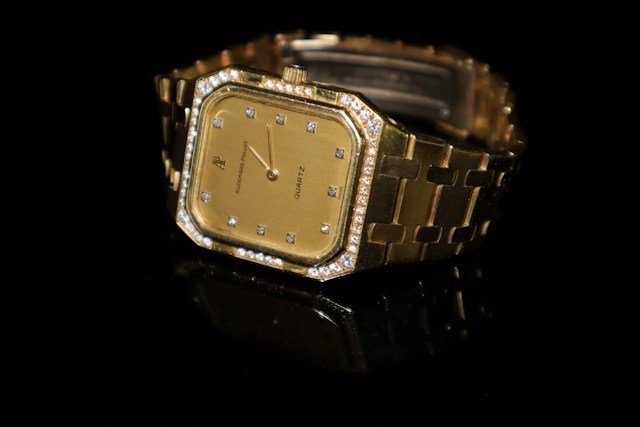
The idea that a non-working or damaged AP watch does not have much resale value is quite common. With ordinary watches, that idea might actually be pretty close to the truth. With Audemars Piguet watches, and especially the Royal Oak references, it is not. They can be professionally serviced and put back into working order. A specialist watch dealer will take into account the cost of servicing relative to the value of the restored watch when offering you a price on a watch that doesn’t work. In this situation, all it will take from you is the watch itself, along with all the documentation you can provide and some photos of the dial, caseback, clasp of the bracelet and crown.