



In 2024-25, a quarter of Australians aged 15 or above postponed or forgave the dental visit. Specifically, 25.2% reported that they were late with the appointment, while 16.1% mentioned that cost was the reason behind missing it. Individuals aged between 25 and 34 years were most likely to delay a visit in comparison to those aged 85 and above. Not being familiar with the process makes the procedure even scarier. People looking for the best dental clinic in Brunswick will feel calmer after learning what happens during a standard dental check-up.
First Ten Minutes Are Devoted To A Conversation
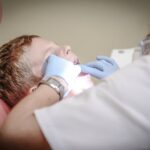
During a dental check-up at a dental clinic Brunswick, patients usually have some questions, as well as participate in a brief conversation. First of all, the dentist will talk about the patient’s pain, sensitivity of the teeth, bleeding gums and medication that they are taking. Then, a dentist will conduct an oral examination with the help of a mirror and a probe. When conducting gum measurements, the dentist will show some small figures indicating the space between the gums and the teeth. X-rays are taken only when the dentist wants to examine the area that is hard to see with the naked eye, for example, the cavity between two closely located teeth. People who have a good dental health history may need fewer X-rays compared to those with cavities.
There is a specific examination procedure followed by dentists to detect possible dental issues. After completing the examination, the dentists explain the results and answer the questions related to the dental chart. There is no need to agree to a treatment during the standard check-up, and hence, patients can freely ask some questions.
What Does the Clean Actually Remove?
Calculus, which is hardened plaque, cannot be brushed from the surface of the teeth with a toothbrush. A dentist or hygienist will remove it with the help of a hand tool or an ultrasonic scaler, and polish the teeth to smooth their surface. If the calculus stays on the surface of the teeth, it may irritate the gums and cause gum disease, which develops without pain.
The National Dental Association recommends visiting the dentist at least once a year for most of the population. Depending on certain risks, some people require more frequent visits. Regular visits to a dentist allow detecting small cavities and treating them in time to prevent future complications.
Making A Nervous Dental Visit A Little Easier
Lots of people get jitters when they’re heading to the dentist, and the dental team has to deal with that sort of thing all day, every day. If you can just let the dentist know that you’re feeling a bit anxious at the start, they can adjust the appointment to make it more comfortable for you. It’s quite helpful to agree on a hand signal with the dentist that you can use to stop the treatment at any point and have them explain what they’re doing next. And if something went wrong for you the last time you went to the dentist, telling them about that can help them avoid that happening again.
Deep breathing can help you relax; try taking a bit longer to breathe out than to breathe in. Having a friend with you in the waiting room can make things a bit less stressful too. For a lot of people, it’s the sound of all that dental equipment that’s really what gets to them, not the treatment itself. So, if you want to, you can bring some headphones with you and block that out. If you’re really anxious, you might want your first appointment to just involve a look around, a chat and no actual treatment. And if you bring your kid along, they’re probably picking up on your nerves, so try to stay calm and reassure them that everything is going to be alright. The promise of a treat might not actually help as much as just staying calm.
When That Toothache Can’t Wait Any Longer?
If you’ve got a tooth that’s causing you pain, or if you’ve noticed that your teeth are all of a sudden not fitting together properly in your mouth, you need to get seen as soon as you can. It’s a good idea to write down exactly when the pain started so the dentist can get a better sense of what’s going on and how quickly you need to see them. If you leave a toothache untreated, it can develop into an abscess; that’s an infection that can spread and cause a whole lot more problems than just a throbbing tooth.
If you knock an adult tooth out of your mouth, you really need to get to the dentist or the hospital ASAP. The health advice is to get there within 30 minutes. If the dentist can get started within two hours, there’s a good chance they can still save that tooth. What you can do in the meantime is pick the tooth up gently by the crown, don’t touch the roots, and try to put it back in its socket. If you can’t do that, just keep it moist by putting it in a cup of milk or your own saliva. Just don’t put the tooth back in your mouth if it’s a baby tooth. If it’s out of hours, you can ring the free national health helpline on 1800 022 222 and they’ll point you in the right direction.
Picking A Dentist That’s For You And Sticking To The Plan
So first off, you need to check that your dentist is actually registered. The national register makes it super easy to check. Reviews can be helpful in deciding which dentist to go with, but it’s also a good idea to just give them a quick ring and ask them about how they deal with nervous patients. It’s worth knowing too, how long an appointment takes, so you can plan around your work or school pickups and all that. Practical things like getting there by public transport, what time they open, and whether they treat children are all worth thinking about.
You need to talk about money openly too. Before the treatment starts, ask your dentist to give you a written estimate of what it’s all going to cost. A dentist who is happy to chat about prices is probably happy to discuss second opinions too. It’s a good idea to book your next appointment before you leave the clinic, so you don’t have to do that later on. Also, just jot down any advice your dentist gives you so you can reference it when you come back in. Booking your next appointment at a time that ties in with something else, like a birthday or the start of a new term, can actually help make regular check-ups a habit.