



Hair loss can be a challenging experience for many. As we age, it’s common to notice thinning hair or receding hairlines. Thankfully, advancements in cosmetic procedures have led to a surge in popularity of hair transplants. What was once considered a niche option has now become mainstream, with countless individuals seeking out this solution for fuller, healthier locks.
Whether you’re experiencing early signs of balding or simply wish to restore your crowning glory, understanding the journey ahead is crucial. From initial consultations to post-procedure care, every stage plays an essential role in achieving satisfying results. If you’re contemplating this transformative path toward renewed confidence and vitality, let’s explore what awaits you on your successful hair transplant journey!
Understanding the stages of hair loss and types of hair transplant procedures
Hair loss can be a gradual process, often categorized in stages. The Norwood scale is frequently used to identify the progression of male pattern baldness. Women experience their own distinct patterns, typically starting with thinning at the crown or widening part.follicle clinics provides information about hair loss and available treatment options.
Understanding these stages helps tailor treatment options. Early intervention may involve medications like minoxidil or finasteride, which can slow down hair loss for some individuals.
When it comes to hair transplant procedures, two primary methods stand out: Follicular Unit Extraction (FUE) and Follicular Unit Transplantation (FUT).
FUE involves extracting individual follicles from donor areas and implanting them where needed. This method leaves minimal scarring and allows for faster recovery.
On the other hand, FUT entails removing a strip of scalp tissue to harvest multiple follicles at once. While it might leave a linear scar, it’s often preferred for larger sessions requiring extensive coverage.

Pre-Transplant Preparation: Consultation and Planning
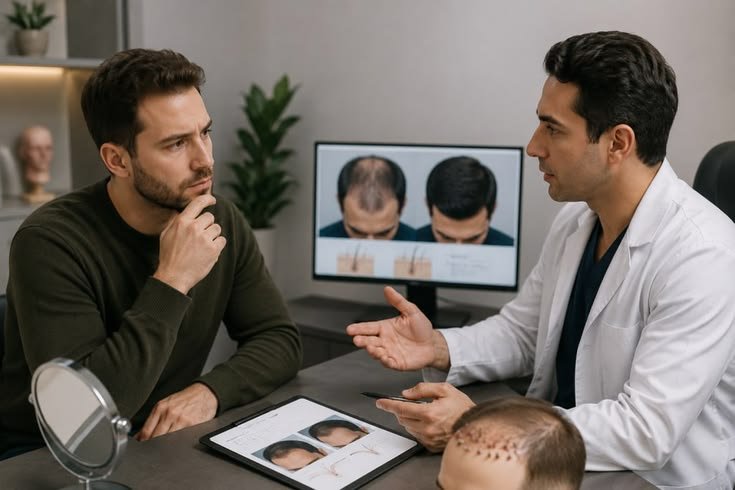
Preparing for a hair transplant starts with a thorough consultation. This is your chance to discuss concerns and expectations with the surgeon. Their expertise can guide you on what’s realistic and achievable.
During this meeting, you’ll undergo an assessment of your hair loss pattern. The doctor may take photos or measurements, helping to visualize the results.
Planning also involves discussing various techniques available—FUE, FUT, or others. Each method has unique benefits tailored to different needs.
Don’t forget about pre-procedure testing. Blood work might be necessary to ensure you’re in good health before surgery.
Setting aside time for recovery is crucial. Understanding how much downtime you’ll need helps in scheduling your procedure without stress.
The Day of the Procedure: What to Expect
On the day of your hair transplant, excitement and nerves might swirl within you. Arriving at the clinic, you’ll be greeted by a friendly team ready to guide you through every step.
Before the procedure begins, expect a thorough briefing about what will happen. The medical staff will ensure you’re comfortable and answer any lingering questions.
Once settled in, local anesthesia is administered to minimize discomfort during the process. You’ll likely spend several hours in a relaxed environment as skilled technicians meticulously work on your hair follicles.
Whether undergoing FUE or FUT, it’s essential to stay calm and trust the professionals around you. Many patients find they can listen to music or watch their favorite shows while progressing through each phase of treatment.
By embracing this experience with an open mind, you’re one step closer to achieving that fuller head of hair you’ve been dreaming of for so long.
Post-Transplant Care: Recovery and Maintenance Tips
After your hair transplant, the journey doesn’t end. In fact, it’s just as crucial to focus on post-transplant care as it is to prepare for the procedure itself. This phase can significantly impact your overall results and satisfaction.
Directly after the surgery, you’ll likely experience some swelling and discomfort. It’s essential to follow your surgeon’s advice closely during this recovery period. Rest is critical; give yourself adequate time to heal before resuming normal activities.
Keep an eye on how you wash your hair in those early days. Gentle care is key—avoid vigorous scrubbing or using harsh products that could irritate your scalp. Your doctor will provide specific instructions tailored to your situation, including when you can start washing normally again.
Hydration plays a vital role too. Drinking plenty of water speeds up healing and keeps both you and your follicles happy. Nutrition also matters; consuming vitamins like biotin and minerals such as zinc may promote healthier growth.
Another important aspect involves patience. Hair typically begins to shed in the weeks following a transplant—this might feel disheartening but know that it’s part of the process! New hair growth usually becomes noticeable within three to six months after the procedure.
Scheduling follow-up visits with your provider ensures everything progresses well post-surgery. They can monitor growth patterns and address any concerns you may have along the way.
Embracing these maintenance tips will help pave a smooth path toward achieving fuller locks while enhancing confidence levels over time.