



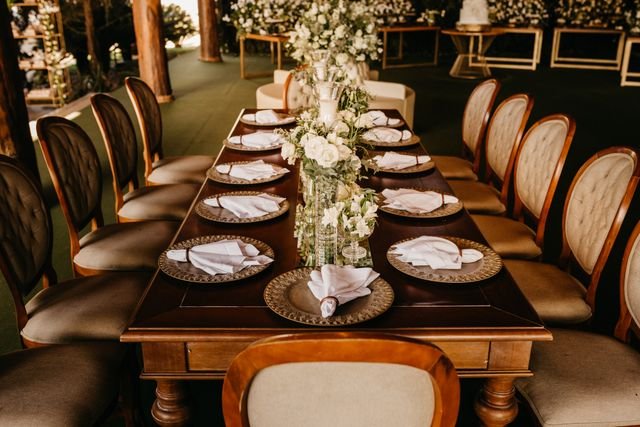
Indoor events are controlled environments, but as soon as you step outside the doors, things start to get a lot more unpredictable. The ground moves under you, the wind changes direction over the course of an afternoon, and that great-looking sofa you booked in a hire catalogue suddenly looks a bit wonky on the uneven coastal grass. Outdoor furniture hire for events is a whole different ball park, and the questions you need to ask to get it right aren’t the same ones that apply in a nice tidy indoor space, even if the furniture looks identical in the brochure.
How Outdoor Conditions Change What Furniture Needs to Do
Weight is one of those things that most people tend to get wrong. Chairs that are fine in an indoor pavilion will turn into a problem in a coastal venue with a bit of wind blowing in from the sea. Anyone who’s ever tried to enjoy an afternoon drink with a chair that keeps on moving in the breeze will tell you it’s a safety issue as well as just plain annoying. And when you’re talking about a big event of 80 or 100 people, this can quickly become a right old headache across the course of an afternoon.
The ground you’re on makes all the difference when it comes to furniture legs. Chairs that are fine on a hard floor will sink into soft grass, and pretty quickly too if the weather’s been wet, which is just great for the look and the stability of your seating. You need furniture specifically designed for soft ground, either with bigger base pads or with sled bases that can handle it, and that’s not something to find out about once you’re in the middle of setting up.
And then there’s the fabric used on outdoor lounge pieces. This stuff’s got to be able to handle humidity without getting waterlogged, put up with the sun without fading too fast, and not fall apart if there’s a bit of rain; and that’s quite a different set of requirements than indoor upholstery. So don’t just go for the look-alike indoor sofa; make sure you check if the fabric is actually okay for the outdoors, if you want to avoid any nasty surprises on the day.
The Furniture Categories That Make an Outdoor Event Work
Ceremony seating is one of the areas where you really need to think about the surface and the wind. Those ghost chairs look great and all, but they get blown about a lot differently than the crossback chairs that are a bit more substantial and have a lower centre of gravity. And then there are pew benches which are great for firm, level ground, but which need a surface that can handle their full length without wobbling all over the place. And finally there’s the fabric seating; this is lightweight and easy to move around, but needs a bit of ballast to keep it from getting blown about when people get up to leave their seats.
Cocktail furniture is just where you get the party started and set the tone for the whole reception before you even think about formal seating. High bar tables with stools draw the crowd in and get the party going, while low lounges with sofas and ottomans get people chatting and relaxed; these low lounges are especially good for cocktail hour and winding down afterwards.
Working Around the Marquee and the Open Sky
It is important for a piece of furniture to be selected according to its covered or exposed nature. If there is a marquee at an event, then nearly all hire categories may be used. However, the ceiling height and internal dimensions of a marquee will put a certain limitation on larger and wider pieces. The staging and elevation of dance floor furniture should be checked against the marquee specification prior to placing the order.
An event that is held outdoors and is fully exposed should have its weather contingency agreed in writing with the hire company in advance. The question of how to proceed with upholstered lounge furniture in case of rain, whether it should be substituted by weatherproof furniture or removed completely from the set-up area, is easy to resolve in advance and extremely difficult to manage on the very day of the event.
The Reality of Delivery and Bump-In
It is common for outdoor event sites to have more complicated access than indoor venues. The ground surface conditions affect the type of delivery vehicles that are able to reach the site, the distance between the delivery truck and furniture placement spot and the overall time of the furniture setting process. It is unlikely that the delivery of furniture by a furniture team, which has to carry the pieces across 80 metres of soft ground from the access point, will take as much time as in the case of delivery directly to a hard-standing courtyard.
Often the bump-in windows at outdoor venues are limited due to other vendors’ activities, venue restrictions and logistics of a joint site use. The sequence of furniture delivery, marquee setup, catering equipment setting and floral arrangement should be sorted out by suppliers in advance, not left to happen naturally.
What to Confirm Before Bookings?
If one asks a company whether they have worked at the venue in question, it is an important question. Site-specific access requirements, conditions of the ground surface and afternoon wind patterns of a particular coastal or garden site affect the setup process and allocation of the time required for furniture delivery and positioning. The company working at a certain location for the first time will find out the specificities of it during their customer’s event.
Confirmation of the ground surface conditions, minimum notice in case of weather changes, weatherproof rating of all upholstered pieces in the hire package, and the exact number of the setup team are all questions that have financial and operational significance. Answering them in advance will ensure a smooth process of delivery.