


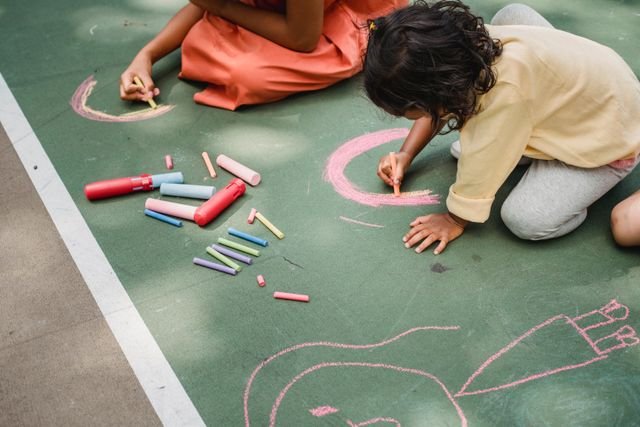
Ask adults about their favourite school memories and many will mention somewhere outside. The big tree that shaded lunchtime games. The patch of garden where the class grew tomatoes. The sandpit, the oval, the corner of the playground where elaborate imaginary worlds were built and rebuilt every recess. For children, outdoor spaces are not just places to burn off energy between lessons. They are classrooms in their own right.
Educators and researchers increasingly recognise the role outdoor environments play in learning, development and wellbeing. Schools and early learning centres are investing in more thoughtful designs, and many leaders now explore landscaping for educational facilities as part of a broader strategy to support students both academically and socially.
Learning through play
Play is one of the most important ways children learn. Outdoor play encourages exploration, problem-solving, creativity and risk assessment. Children test ideas, negotiate rules with friends and learn from trial and error.
Natural play spaces, with logs, rocks, sand, water and plants, offer open-ended opportunities that fixed play equipment sometimes cannot. A pile of sticks can become a cubby, a bridge or a magic forest.
Physical development
Outdoor spaces support physical health and motor skill development. Running, climbing, balancing, jumping and digging help build strength, coordination and confidence.
Regular physical activity is linked to better concentration and wellbeing, which can support learning back in the classroom.
Connection with nature
Spending time in natural environments can help children develop curiosity about the world around them. Gardens, native plantings and habitats for insects and birds offer opportunities to observe life cycles, seasons and ecosystems.
Hands-on experiences, such as planting vegetables, composting or monitoring rainfall, make science and sustainability concepts more tangible.
Social and emotional growth
Outdoor spaces provide settings for children to build friendships, cooperate and resolve conflicts. Well-designed areas include spaces for active play as well as quieter zones where children can sit, talk or take a break.
Natural environments are often associated with reduced stress and improved mood. Shaded seating, gardens and calm corners can give children a place to regulate emotions.
Outdoor classrooms
Many schools are creating outdoor learning areas that function as extensions of the classroom. Amphitheatre-style seating, shaded pavilions, garden beds and flexible spaces can host lessons in literacy, maths, science, art and more.
Learning outside can increase engagement, particularly for students who struggle in traditional classroom settings.
Designing for safety and shade
Safety and comfort are essential considerations. Australian schools must account for strong sun, heat and changing weather. Shade structures, trees and appropriate surfaces help protect children and make outdoor areas usable throughout the year.
Designs should balance challenge and safety, offering opportunities for healthy risk-taking while managing hazards.
Inclusive spaces
Outdoor areas should be accessible to all children, including those with disabilities. Accessible pathways, inclusive play equipment and sensory gardens can ensure every child can participate.
Sensory elements, such as textured surfaces, fragrant plants and sound features, can benefit children with diverse needs.
Involving the school community
Students, teachers and families can contribute valuable ideas when planning outdoor spaces. Involving children in design and maintenance gives them a sense of ownership and pride.
Community working bees, gardening clubs and environmental projects can strengthen connections between schools and families.
Maintenance and sustainability
Thoughtful landscaping considers long-term maintenance and sustainability. Drought-tolerant native plants, efficient irrigation, durable materials and natural shade can reduce costs and environmental impact.
Small changes on modest budgets
Not every school has the budget for a major landscaping project, but meaningful improvements can still be made. Planting shade trees, adding a few raised garden beds, introducing logs and boulders for natural play or creating a quiet seating area under existing trees can transform how children use outdoor spaces. Community grants, parent fundraising and partnerships with local councils or businesses can help fund projects. Starting small and building over several years allows schools to test ideas, involve students in each stage and develop outdoor areas that genuinely reflect their community. Even a single new garden bed can spark curiosity, give students responsibility for something living and become a favourite place to gather at lunchtime.
Spaces that inspire
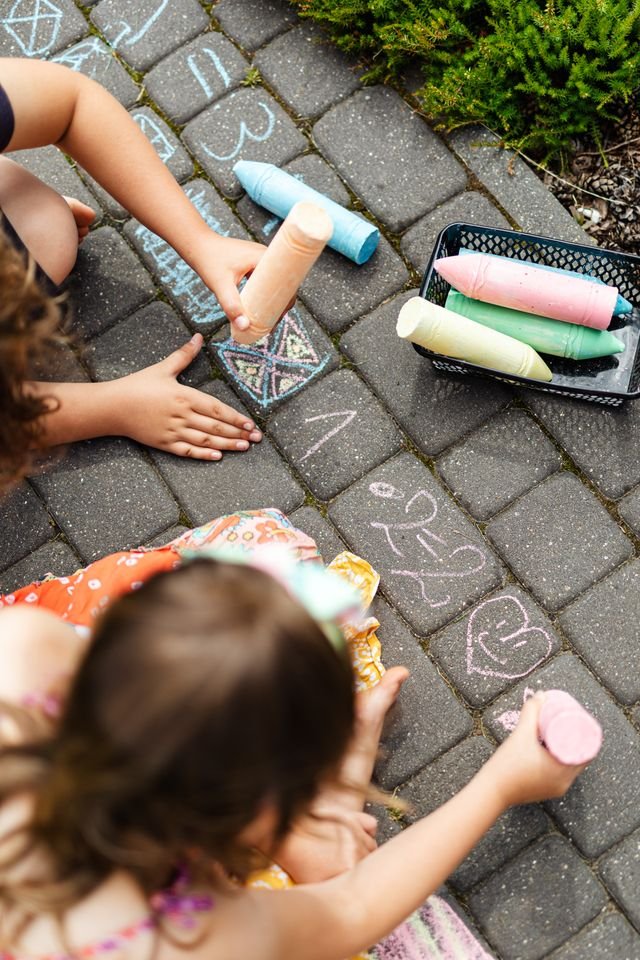
The playground, garden and schoolyard are far more than background settings. They shape how children move, play, learn and connect. Investing in well-designed outdoor spaces is an investment in children’s development, wellbeing and love of learning that can last long after they leave school.