


Tyre tread depth is one of the most important indicators of whether your car tyres need replacing. The tread grooves help channel water away from the contact area, improving grip and reducing the risk of aquaplaning on wet roads. As the tread wears down, tyres become less effective at maintaining traction, particularly during heavy rain, sudden braking, or sharp turns. Regularly inspecting tread depth can help drivers identify worn tyres before they become a safety concern.
For most passenger cars, the commonly recognised minimum legal tread depth in many regions is 1.6 mm, although local regulations and vehicle requirements may differ. It is generally advisable to consider replacing tyres before they reach this limit, especially if you frequently drive in wet conditions. You can check tread depth using a dedicated tread-depth gauge or by asking a tyre specialist to inspect your tyres. Some tyres also have built-in tread-wear indicators that show when the remaining tread has reached a specified level. If the tread is nearly level with these indicators, it is time to arrange a replacement. Checking all four tyres regularly is important because front and rear tyres may wear at different rates depending on the vehicle, driving style, and maintenance history.
Look for Cracks, Bulges, and Visible Tyre Damage
The condition of the tyre’s sidewall and tread surface can reveal problems that are not immediately obvious while driving. Cracks in the rubber may develop as tyres age and become exposed to sunlight, heat, and environmental conditions. Small surface imperfections do not always mean a tyre must be replaced immediately, but deep cracks, exposed cords, cuts, or other significant damage require prompt professional assessment. Tyres with compromised structural integrity may be more vulnerable to failure, particularly at higher speeds or when carrying heavy loads.
Bulges and bubbles on the sidewall are especially concerning because they can indicate internal structural damage, often caused by hitting potholes, kerbs, or other road hazards. A tyre with a sidewall bulge should not continue to be used because it may fail suddenly. If you notice a bulge, exposed reinforcement material, or a serious cut, stop driving when it is safe to do so and arrange professional assistance or a suitable replacement. Also inspect the tyre after a significant impact, even if no obvious damage is immediately visible. Early attention to tyre damage can help prevent unexpected breakdowns and reduce the risk of losing control of the vehicle.
Pay Attention to Uneven Tyre Wear and Driving Changes
Uneven tyre wear can be a sign that your tyres need replacing or that another vehicle maintenance issue requires attention. For example, excessive wear along the inner or outer edges may indicate incorrect wheel alignment, while wear concentrated in the centre or on both shoulders can be associated with unsuitable tyre pressure. Irregular patches or a scalloped pattern may point to wheel imbalance, suspension wear, or other mechanical problems. Identifying these patterns early can help drivers address the underlying cause before the tyres deteriorate further.
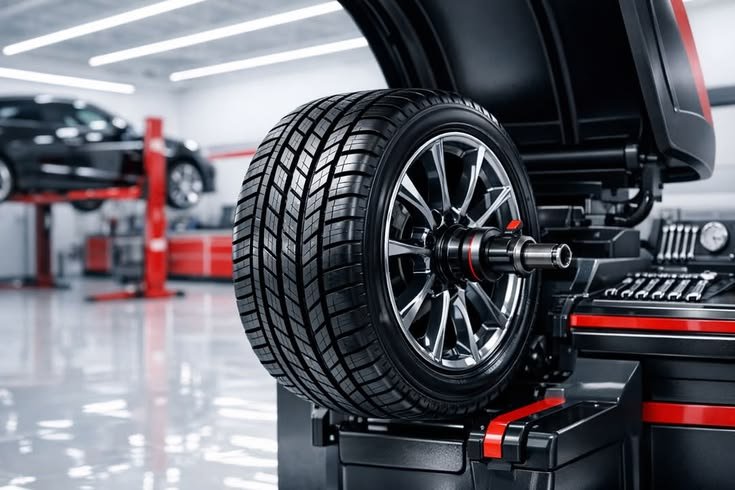
Changes in vehicle handling can also indicate tyre problems. You might notice reduced grip when cornering, longer stopping distances, increased road noise, or vibrations through the steering wheel. However, these symptoms can also result from wheel alignment issues, damaged suspension components, or other faults, so they should not automatically be attributed to worn tyres alone. If the vehicle pulls to one side, feels unstable, or develops unusual vibrations, arrange an inspection by a qualified technician. Replacing worn tyres without correcting the cause of uneven wear may lead to the same problem occurring again. Regular pressure checks, wheel alignment, balancing, and routine tyre inspections help extend tyre life and maintain predictable handling.
Consider Tyre Age, Driving Conditions, and Manufacturer Guidance
Tyres can deteriorate over time even when the tread appears to have sufficient depth. Rubber compounds gradually age, and prolonged exposure to heat, sunlight, moisture, and demanding driving conditions can affect their condition. This is particularly relevant for vehicles that are driven infrequently, because their tyres may age without accumulating enough mileage to show obvious tread wear. Checking the tyre’s manufacturing date can help you understand its age and decide whether a professional inspection is needed.
The manufacturing date is commonly shown in the final four digits of the tyre identification code on the sidewall. These digits indicate the week and year of production. For example, a code ending in 2423 indicates that the tyre was manufactured during the 24th week of 2023. There is no single replacement age that applies to every tyre in every situation, so follow the vehicle and tyre manufacturers’ recommendations. Some manufacturers advise more frequent professional inspections once tyres reach a certain age and may recommend replacement after a specified period regardless of tread depth. Hot climates, prolonged outdoor parking, heavy loads, and frequent high-speed driving can make careful monitoring particularly important. If your tyres are several years old or show signs of ageing, ask a qualified tyre specialist to assess whether they remain suitable for use.
Replace Worn Tyres Promptly and Maintain Them Properly
Once a tyre reaches its wear limit or develops serious structural damage, replacing it promptly is essential for maintaining vehicle safety. Driving on severely worn or damaged tyres can reduce traction, compromise braking performance, and increase the likelihood of a tyre-related incident. When choosing replacement tyres, check the size, load index, speed rating, and other specifications recommended by your vehicle manufacturer. Selecting appropriate tyres for your typical driving conditions can also improve comfort, handling, and wet-weather performance.
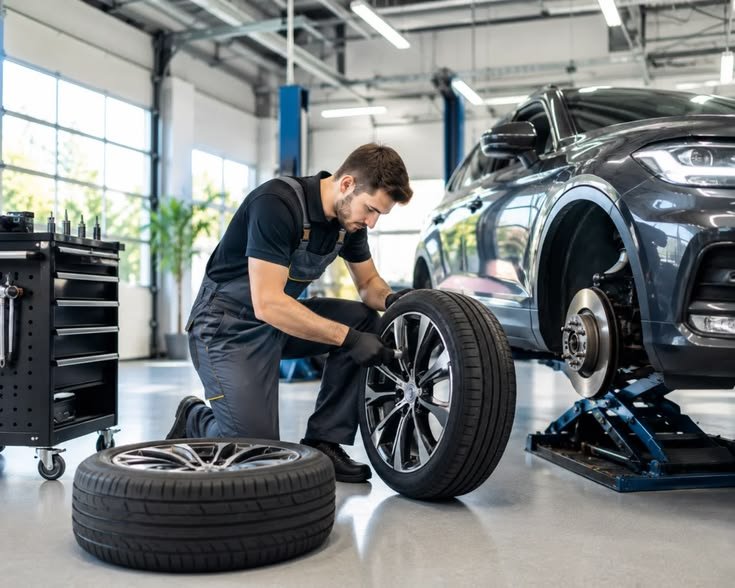
Whenever possible, replace tyres in pairs on the same axle to help maintain balanced grip and handling. Replacing all four tyres may be appropriate when they are similarly worn or when the vehicle manufacturer’s requirements call for it. Vehicles with all-wheel-drive systems may have strict limits on differences in tyre circumference, so consult the owner’s manual or a qualified specialist before replacing only one tyre. After installation, ensure the tyres are inflated to the recommended pressures, the wheels are balanced, and the wheel fasteners are tightened to the specified torque.
Good maintenance can help new tyres last longer. Check tyre pressures regularly when the tyres are cold, inspect the tread and sidewalls, and arrange wheel alignment when necessary. Rotate tyres according to the vehicle manufacturer’s recommended schedule where permitted by the tyre design and vehicle configuration. Avoid overloading the vehicle and address suspension or steering problems promptly. By recognising the signs of tyre wear and following a consistent maintenance routine, drivers can make informed replacement decisions, improve road safety, and get the best possible service life from their tyres.