




Most people start physiotherapy expecting the hard work to happen in the clinic, a few stretches here, some machinery there, a guided exercise session, recovery will magically start to follow. Yes, it sounds reasonable. But this is exactly where many people unknowingly put the brakes on their own progress. The truth about rehabilitation physiotherapy Bentley is not exactly what you’d expect, and once you get it, the entire recovery process starts making a lot more sense.

The day recovery finally made sense
A bloke was recovering from leg pain and asked his physio the other day: “How many sessions until this is all fixed then?” The physio smiled for a split second before dropping a bit of a bombshell. “That depends on what you’re doing after you leave here.” At first the answer seemed bonkers. After all, wasn’t physiotherapy all about smashing it in the clinic? But that’s where the old 80-20 rule in physio quietly changes everything. It’s simple really. Around 80 percent of the progress you’ll make often comes from the 20 percent of efforts you make consistently yourself outside of the clinic. Not just in the appointments. And suddenly, rehabilitation stops looking like treatment and starts feeling like you’re in it together. And that shift in perspective is a lot more important than most people give it credit for, especially for people searching for long-term physiotherapy in Bentley recovery support that doesn’t just deal with pain in the short-term.
Why physiotherapy rehabilitation isn’t just about pain relief?
Here’s the thing a lot of patients pick up on a bit late in the recovery game. Pain is usually shouting the loudest, but it’s not always the real problem. A weak muscle can be putting pressure elsewhere, or poor balance can be putting extra load on your joints. And tightness in one area can completely change the way you move around. Physiotherapy rehabilitation is all about getting you back to moving around, feeling flexible, getting stronger, improving your balance, and regaining confidence all together, not separately. That’s why someone with leg pain might end up spending time working on their posture, walking mechanics, or stability exercises, rather than just focusing on the painful area. At first, some patients will be a bit puzzled by this approach. But a few weeks down the line and you’ll start noticing movement feeling easier, stairs aren’t as painful, balance has improved and fatigue is way down. And that’s when recovery starts to become real, rather than just a temporary fix through a structured rehabilitation physiotherapy in Bentley program.
The part about weak legs that most people overlook
Weak legs rarely develop overnight. For some, it starts after surgery. For others, after months of inactivity, getting older, nerve irritation, or just leaving pain untreated for too long. What gets people is that weakness seeps into everyday behaviour without them even noticing. They start to think twice about using stairs, walking speed changes, and standing up feels wobbly. Then the body starts to compensate. And this is the hidden problem most people never even see coming. Research and rehab outcomes have shown that targeted physio exercises can make a huge difference for many people struggling with leg weakness and movement issues. But what’s really important is not the exercises themselves, it’s the bit about being consistent. And that’s where people often struggle. Exercises look easy on paper, but actually doing them regularly while dealing with discomfort, work schedules, fear of pain, or just motivation is a whole different story. That realisation changes everything and often helps people see the recovery process in a totally new light in physiotherapy clinic in Bentley recovery plans.
The five stages that people usually get wrong
A lot of people think rehabilitation is just one long, arduous recovery process. But the truth is, the body usually goes through a series of different phases. The first stage is all about trying to get rid of the pain and reducing the inflammation that’s initially going on because the body is naturally protecting the injured tissue. Then comes the stage where you focus on restoring movement and getting that flexibility back. This can be pretty encouraging because you start to feel like you’re getting your mobility back. But, the thing is, feeling better doesn’t necessarily mean that your body is fully ready yet. The next stages are all about rebuilding strength, endurance, coordination and basically getting a handle on your movement control. These phases are much slower, less sexy and even more challenging in your head because progress just isn’t as visible as you’d like it to be. And yet, it’s this stage which will often decide whether injuries end up coming back later on.
The not-so-obvious reality of recovery that nobody warns you about
Not every obstacle in physiotherapy is a physical one. Sometimes the biggest challenge you’ll face is actually your own fear. Physiotherapists often refer to certain psychological barriers as “yellow flags”, these can be things like fear of movement because of pain, or just overall anxiety about your recovery. A person may make really good physical progress but will still be moving cautiously because their brain just can’t shake the memory of how uncomfortable they were before. And that creates a bit of a vicious cycle, fear reduces movement, movement reduces, which causes more discomfort, which makes fear even worse. Breaking this cycle is one of the bits of rehabilitation physiotherapy in Bentley that is often completely overlooked.
The confusing things people keep hearing about physiotherapy
At some point you’ll probably hear some terms that sound more complicated than they actually are. Someone mentions the “8-minute rule” and suddenly you’re thinking it’s some kind of treatment method, but actually, it’s just a Medicare guideline for working out how many therapy units you need based on the length of your sessions. Others will be talking about red light therapy and you’ll be imagining some high-tech recovery machine. But the truth is, the science is actually a lot more straightforward than that. Red light therapy uses low level red or near infrared light to help your body heal, reduce inflammation and just improve the whole cellular energy production in your body. Some physiotherapists are using it to support their patients’ recovery, especially when dealing with chronic pain or soft tissue conditions. But here’s the real point that most advertising tends to gloss over; no single therapy replaces the importance of doing movement rehab in the first place. Technology may help support your recovery but in the end it’s consistent movement retraining, especially in those structured physiotherapy in Bentley rehabilitation programs, that really drives it forward.
The real secret behind physiotherapy recovery
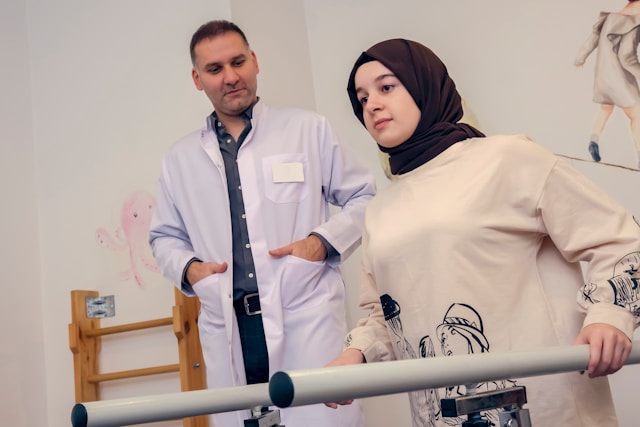
Most people start physiotherapy looking for pain relief. What they actually need is to build up their movement confidence and just generally be a bit more consistent with it. Because the thing is, recovery is not built in a single appointment. It is built quietly, bit by bit, through the small things that people often tend to underestimate at first. For a lot of patients coming to rehabilitation physiotherapy in Bentley the long-term improvements come from a combination of getting the right guided treatment in the clinic and doing your daily movement habits outside of it.