

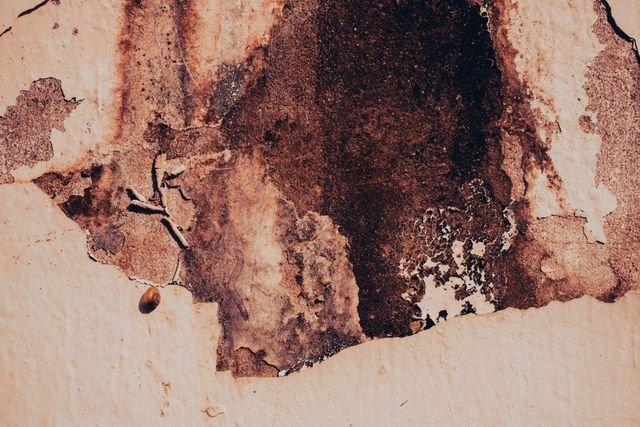
Salt crystals developing on the bottom of an internal wall almost never get addressed urgently. The common approach taken by many homeowners is simply to paint the stain and replaster the area. In six months’ time, the plaster starts bubbling. This story repeats itself in Sydney’s old housing market because people deal with the consequences of rising damp without tackling the root cause of the problem.
Why Sydney’s Climate Sets the Scene?
Sydney is humid due to its coastal location, which means that there is not enough time for drying the masonry walls between the wet seasons. Contacting rising damp experts Sydney early can make the difference between a simple fix and a costly structural repair. Seasonal precipitation results in longer periods of high ground saturation, especially compared to drier inland areas. Moreover, many of the houses in Sydney were built with poor subfloor ventilation. Thus, there is no airflow under the house, which allows moisture from the soil to rise up through the masonry easily.
The result is easy to recognise: white powder appears along the bottom part of internal walls. The white powder is efflorescence, salt residues that are left behind as a result of water-saturated masonry. The look is cosmetic; however, what it really shows is that there is a moist path through the masonry wall. This will continue until the moisture path is blocked; otherwise, it will keep moistening the plaster and damaging the mortar and timber.
According to the Australian Institute of Health and Welfare, as of 2022, about 35% of Australians have faced mould issues in their current house.
Rising Damp, Lateral Damp, and Condensation Are Not the Same
Misdiagnosis is where most failed treatments start. Rising damp comes about when ground moisture seeps up through masonry walls by capillary action. Lateral damp enters walls through the outside, either from a crack in the render or a faulty flashing. Then there’s condensation that happens when warm air that’s full of moisture hits a cold surface and drops off as moisture.
Each of these conditions produces damp patches but each needs a completely different sort of fix. Using a chemical damp proof course on a wall that’s got damp patches because of a flashing problem above will achieve nothing at all, as the problem is likely to be the moisture coming in from above, not from the ground. Using thermal imaging and electronic moisture detectors can pinpoint where the moisture is coming in and how far it’s travelled through the wall before you even start thinking about what to do to put it right.
What a Damp Proof Course Does and When It Fails?
A damp proof course is a horizontal barrier inside masonry walls that stops water rising up into the structure from the ground. In older homes in Australia, especially those built in the mid-20th century or before, builders used all sorts of materials for their DPCs. Unfortunately, in many cases, these have either rotted through or been made redundant over time.
The most common thing that tends to go wrong with damp-proof courses in Sydney is something called bridging. If a garden bed gets built up over the top of the DPC, or if someone applies render right down to ground level, or if mortar gets dropped into a cavity wall, it all creates a sort of bridge that bypasses the DPC. Once that’s happened, the DPC just can’t do its job any more.
Making Sure You Fix the Right Problem, Not a Substitute One
The treatment process for genuine rising damp is pretty straightforward: first you do some moisture mapping; then you get a diagnosis; then you get it sorted out; then you replaster the wall with a product that will really stand up to damp.
Silicone DPC injection works by drilling some holes into the mortar course and then spraying in some silicone that forms a new barrier inside the wall. Where the wall is below ground level or is subject to lots of water pressure from the soil outside, things like membrane tanking systems are the better option. But you can’t just choose the cheapest one you can find; you have to pick the right one for the job, based on how the wall was built, what type of construction it’s got and all that sort of thing.
Replastering after treatment means using a sort of special plaster that can handle damp and salt. If you just slap some ordinary gypsum board on the wall as if it was a normal wall, it will just fall apart; that’s because the salts are still in the wall and will just keep on coming out.
Getting a Quote Without Worrying You’re Getting Ripped Off
A credible damp assessment report will have moisture readings from several points, some photos to show exactly what’s going on, and a written diagnosis of exactly what the problem is and how to fix it. Quotes that just jump straight to the treatment bit without doing any of the other bits first are just not worth much because they haven’t really worked out what the problem is. In NSW, you need to check that the builder has the right licence and insurance before you let them even start work, and that’s even before you think about paying them a cent.