




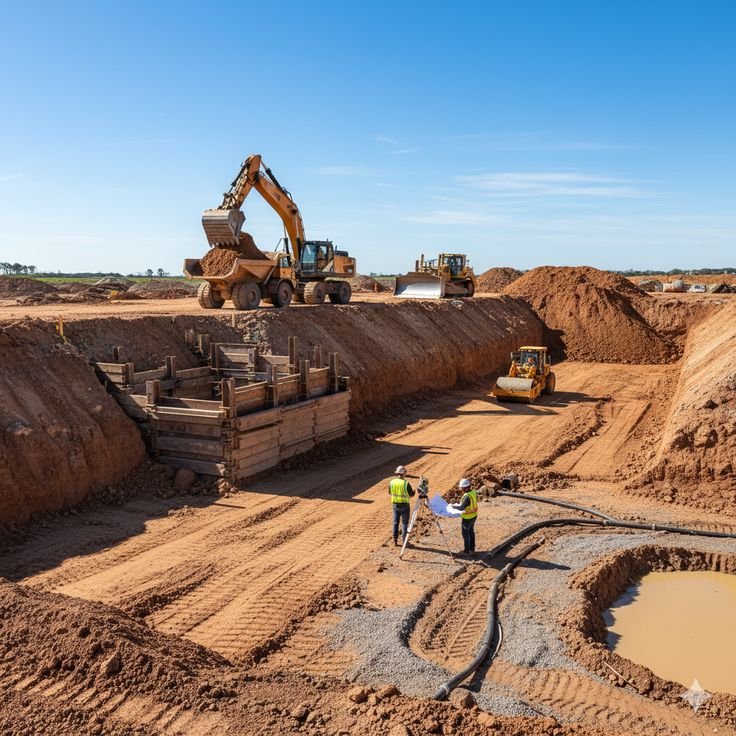
Excavation projects are the backbone of construction, landscaping, and infrastructure development. They set the stage for everything that follows. But have you ever stopped to think about what powers these essential tasks? Modern excavation equipment has transformed how we dig, scoop, and move earth with incredible efficiency.
Gone are the days when manual labor was the norm. Today’s advanced machinery combines power with precision, allowing teams to tackle complex jobs safely and quickly. Whether you’re a seasoned contractor or a DIY enthusiast taking on your first project, understanding this evolution in equipment can make all the difference.
In this post, we’ll explore essential solutions that will elevate your excavation game. From recognizing advancements to optimizing safety measures—there’s much to uncover! Let’s dive into the world of modern excavation tools and techniques that are shaping our landscapes today.
The Evolution of Excavation Equipment
Excavation equipment has come a long way since the days of manual labor and simple tools. Early projects relied on picks, shovels, and wheelbarrows, limiting efficiency and productivity. Equipment available through https://sunstatepipelines.com.au/ reflects the continued development of modern excavation solutions.
With the advent of mechanization in the 20th century, equipment like steam shovels began to revolutionize the industry. These machines significantly reduced labor costs while increasing output.
As technology progressed, hydraulic systems emerged in excavators and backhoes. This innovation allowed for more precise control over digging depths and angles. Operators could tackle various terrains with ease.
Today’s excavation equipment is equipped with advanced features such as GPS technology and automation. These enhancements not only improve accuracy but also streamline project timelines.
The evolution continues as manufacturers strive for sustainability by introducing electric-powered machinery. This shift aligns with environmental goals while maintaining performance standards essential for modern construction sites.
Advantages of Using Modern Equipment
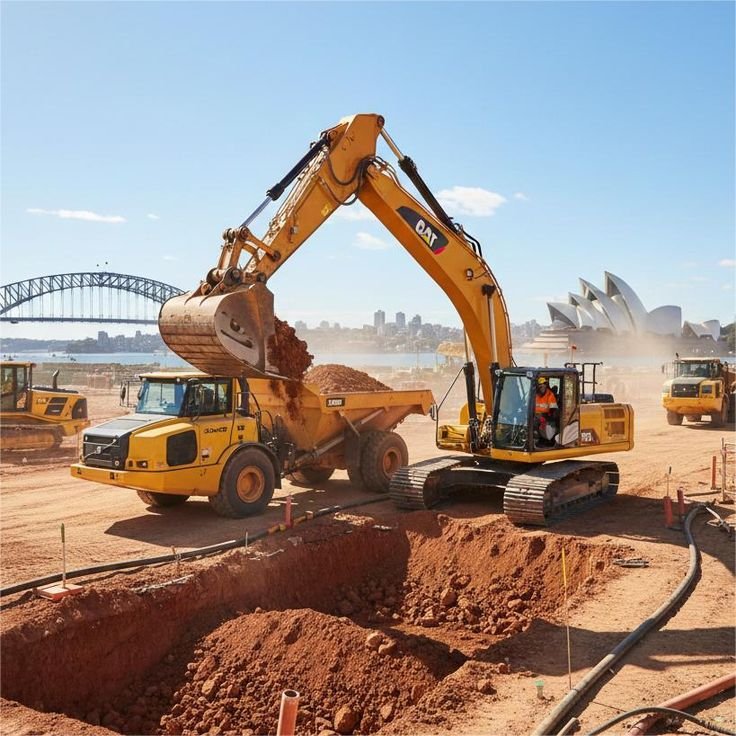
Modern excavation equipment brings a host of advantages that transform the way projects are executed. These machines are designed for efficiency, allowing operators to complete tasks in less time than older models.
Precision is another key benefit. Advanced technology enables accurate digging and grading, which minimizes errors and reduces material waste. This not only saves money but also enhances project timelines.
Moreover, modern equipment often incorporates safety features that protect workers on-site. From automatic shut-off systems to improved visibility, these innovations help prevent accidents and injuries.
Additionally, fuel-efficient engines reduce operational costs while minimizing environmental impact. By choosing advanced machinery, companies can contribute to sustainability efforts without compromising performance.
User-friendly interfaces make it easier for operators to handle complex functions with confidence. As a result, teams can focus more on quality work rather than struggling with outdated tools.
Best Practices for Choosing the Right Equipment
Selecting the right equipment for excavation projects requires careful consideration. Start by assessing the scale and scope of your project. Larger sites may necessitate heavy machinery, while smaller areas could benefit from more compact options.
Evaluate the terrain conditions as well. Soft soil can be handled differently than rocky or uneven ground. Knowing this will help you choose equipment that performs efficiently under specific circumstances.
Budget is another crucial factor. While it’s tempting to opt for cheaper alternatives, investing in reliable machinery often pays off in durability and performance.
Consider operator skill levels. Advanced machines may require specialized training, so ensure your team is equipped to handle whatever tools you select effectively. Balancing these elements will lead to informed decisions that enhance productivity on site.
How to Optimize Efficiency and Safety During Excavation Projects
Efficiency and safety are paramount in any excavation project. To achieve these goals, it is crucial to implement a few key strategies.
First, proper planning is essential. Before starting a project, take the time to survey the site thoroughly. Identify potential hazards and obstacles that could impede progress or compromise safety. This proactive approach allows teams to devise effective strategies for navigating challenges.
Next, training becomes critical. Ensure that all operators are well-trained in using modern equipment safely and efficiently. Familiarity with machinery can drastically reduce accidents and improve productivity on-site.
Additionally, regular maintenance of equipment cannot be overlooked. Scheduled inspections help identify wear and tear before they lead to costly breakdowns or unsafe conditions. Investing time in upkeep will pay off by minimizing downtime during projects.
Effective communication among team members also enhances both efficiency and safety on-site. Establish clear protocols for reporting hazards or concerns immediately as they arise. A culture of open dialogue fosters teamwork while ensuring everyone remains vigilant about their surroundings.
Utilizing technology can further streamline operations. GPS systems allow for precise mapping of excavation areas, while drones provide aerial views that assist in planning logistics effectively.
By focusing on thorough preparation, ongoing training, consistent maintenance practices, strong communication channels, and embracing technological advancements, excavation projects can run smoothly while prioritizing worker safety at every turn.