



Are you considering a pool for your backyard oasis? If so, you’re likely aware of the importance of having a safe and stylish pool fencing solution. But have you ever wondered what factors contribute to the price tag of these essential barriers? The cost can vary significantly based on multiple elements, from materials used to design choices and additional features. Understanding these influences will help you make informed decisions while budgeting for your dream pool area. Let’s dive into the key aspects that shape the pricing of pool fencing!
Material Used for Pool Fencing
The type of material you choose for pool fencing plays a crucial role in determining its price. Options like aluminum, glass, wood, and vinyl each come with their own cost profiles. Understanding the cost for pool perf can help you compare different fencing options when planning your pool area.
Aluminum is popular due to its durability and low maintenance requirements. Though it may be on the pricier side initially, its longevity can offset costs over time.
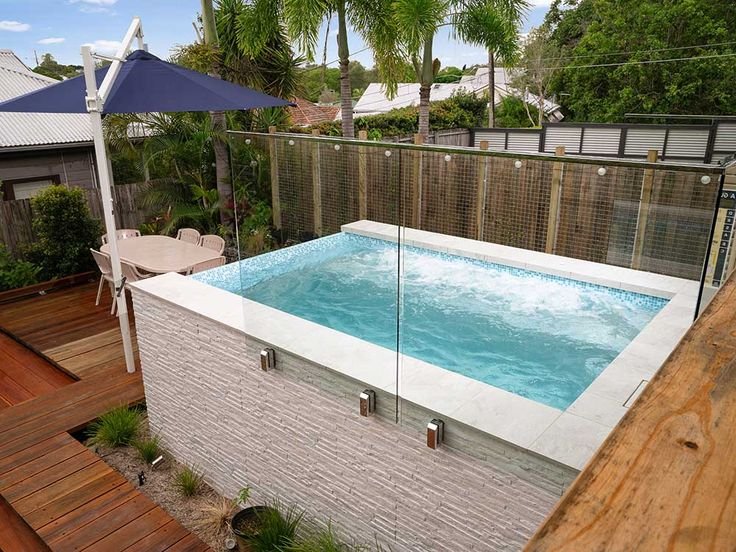
Glass offers an elegant look while providing safety without obstructing views. However, this luxury comes at a higher expense compared to other materials.
Wood provides warmth and charm but often requires more maintenance than metal or glass options. The initial savings might be tempting until long-term upkeep costs are considered.
Vinyl stands out as a budget-friendly alternative that mimics wood’s appearance without the same level of maintenance. Each material offers unique advantages that influence both aesthetics and overall pricing for your pool fencing project.
Design and customization options for pool fencing
When it comes to pool fencing, design and customization play a significant role in the final price. Homeowners have numerous options available to suit their style and needs.
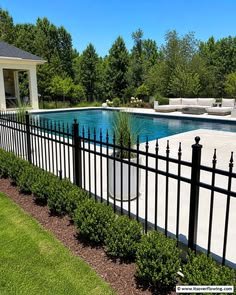
You can choose from various shapes, heights, and styles. Whether you’re looking for sleek glass panels or traditional wrought iron, each option adds its unique flair.
Color choices also add personalization. A classic black or white fence can blend seamlessly with your home’s exterior. Alternatively, vibrant hues can make a bold statement.
Custom features like gates or decorative elements further enhance aesthetics but can increase costs too. Adding a self-closing gate not only boosts safety but also contributes to overall design appeal.
Unique patterns or added textures give depth and character to standard designs. This allows you to create an inviting atmosphere around your pool area that reflects your personal taste while adhering to safety standards.
Additional features and their effect on cost
When considering pool fencing, additional features can significantly impact the overall cost. For instance, self-closing gates offer added safety but come with a price tag. These gates prevent accidental openings, especially in homes with children or pets.
Another feature that raises costs is decorative elements like glass panels or intricate designs. While they enhance aesthetics and visibility, their installation requires specialized skills.
Adding technology like alarms or automated locking systems also contributes to expenses. These high-tech solutions provide peace of mind for homeowners looking to bolster security.
Lighting options around your fence can elevate both safety and ambiance during evening gatherings. However, this enhancement will increase your budget as well.
Each extra feature not only boosts functionality but also adds layers of sophistication—ultimately shaping the investment you make in your pool fencing solution.
Maintenance costs for different types of pool fencing
Maintenance costs can vary widely depending on the type of pool fencing you choose. For instance, wood fences may require regular staining or sealing to protect against water damage and rot. This upkeep adds to long-term expenses.
On the other hand, aluminum and vinyl options often demand less attention. They’re resistant to rust and don’t need painting, making them a cost-effective choice over time.
Glass pool fencing is beautiful but comes with its own challenges. While it’s low maintenance in terms of structural integrity, you’ll find yourself cleaning it frequently to keep that crystal-clear look intact.
Chain-link fences offer durability at a lower initial price point but may require occasional repairs or enhancements like privacy slats. Understanding these nuances can help you budget wisely for your pool area while ensuring safety remains paramount.
Impact on cost for pool fencing
The material you choose for pool fencing significantly influences the overall cost. Various options are available, each with its own price point and advantages.
Aluminum is a popular choice due to its lightweight nature and resistance to rust. This option typically falls within a moderate price range but may require additional investment if custom colors or finishes are desired.
Wood offers a classic look that many homeowners love. However, while it can be less expensive initially, ongoing maintenance costs can add up over time due to weathering and potential rot.
Glass fencing presents an elegant solution that provides unobstructed views of your pool area. This premium option tends to be on the higher end of the budget spectrum but adds significant aesthetic value to your property.
Vinyl is another viable alternative known for durability and low maintenance needs. It generally sits in the mid-range pricing category, making it an attractive option for those seeking balance between cost and longevity.
Choosing the right material ultimately depends on your budget, desired aesthetics, and long-term maintenance considerations. Each type has unique qualities that can enhance both safety and style around your pool area while impacting how much you’ll spend upfront as well as down the line.