



Tiles are one of those design decisions that can quietly shape the whole personality of a room. They might be chosen for practical reasons, especially in kitchens, bathrooms, laundries, entryways, and outdoor areas, but once they’re installed, they become much more than a surface. They influence light, texture, colour, proportion, and the way the space feels every single day.
That’s why choosing tiles for your Richmond home is worth slowing down for, rather than treating it as a quick box to tick during a renovation. The right tiles can make a small bathroom feel more generous, give a kitchen more warmth, add character to a hallway, or turn an outdoor area into somewhere you actually want to spend time.
Start with the feeling you want
Before getting caught up in colours and samples, it helps to think about the mood you’re trying to create. Do you want the space to feel calm and spa-like, warm and earthy, crisp and architectural, playful and patterned, or timeless and understated? Tiles can take you in all of those directions, but not every beautiful tile will suit the feeling you want at home.
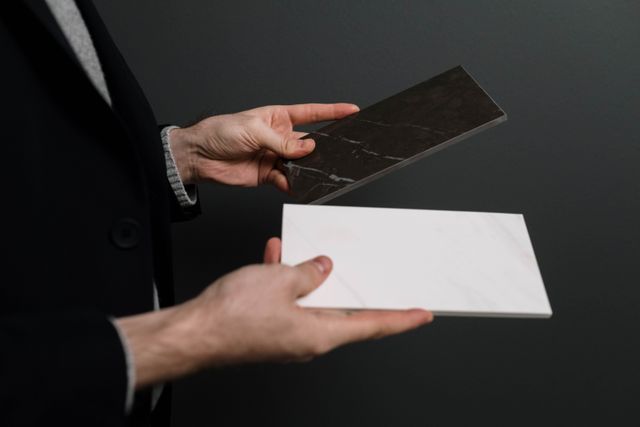
A glossy tile can bounce light around and make a room feel brighter, while a matte finish may create a softer, more relaxed mood. Large-format tiles can reduce visual clutter and make a space feel more seamless, whereas smaller tiles or mosaics can add detail, rhythm, and personality. There isn’t one correct choice; there’s only the choice that supports the room you’re trying to build.
Practicality still matters
Tiles have to look good, but they also have to live well. A floor tile needs to handle foot traffic, cleaning, moisture, pets, children, dropped items, and whatever else daily life throws at it. Bathroom tiles need to work with water, slip resistance, grout, ventilation, and maintenance. Kitchen splashbacks need to deal with cooking mess, heat, and regular wiping.
This is where it’s worth paying attention to the difference between wall tiles and floor tiles, indoor and outdoor suitability, texture, finish, and how much maintenance you’re willing to take on. A tile that looks stunning in a showroom may not be the best choice for a busy family bathroom if it requires constant care to stay looking clean.
The grout can change the result
Grout is often treated as an afterthought, but it can dramatically change the final look. Matching grout can make tiles feel more seamless and subtle, while contrasting grout can highlight shape and pattern. A white subway tile with white grout feels very different from the same tile with dark grout, even though the tile itself hasn’t changed.
Grout width also matters, particularly with handmade-look tiles, natural textures, or large-format styles. These details may seem small during selection, but once the tiles are installed across a wall or floor, they become part of the overall design.

Think beyond one room
In many homes, tiled areas connect visually with other spaces. An entryway may lead into timber flooring, a bathroom may sit beside carpeted bedrooms, or an outdoor tiled area may need to connect with interior finishes. Thinking about those transitions early can help the home feel more cohesive.
The best tiles don’t only look beautiful on their own. They suit the architecture, the light, the lifestyle, and the other materials around them. When all of that comes together, tiles can make a room feel finished in a way that paint and furniture alone often can’t.