



When it comes to securing our homes and ensuring privacy, door latches play an essential role. They might seem simple, but these unassuming devices come in various forms with unique functionalities. From traditional designs that have stood the test of time to cutting-edge electronic options, there’s a latch for every need and style. Understanding the types of door latches available will not only help you choose the right one for your space but also enhance your home’s security and aesthetic appeal. Let’s dive into the fascinating world of door latches and explore what each type has to offer!
Traditional Latches Types and Uses
Traditional latches have been a staple in door security for centuries. They are simple yet effective mechanisms that come in various forms.
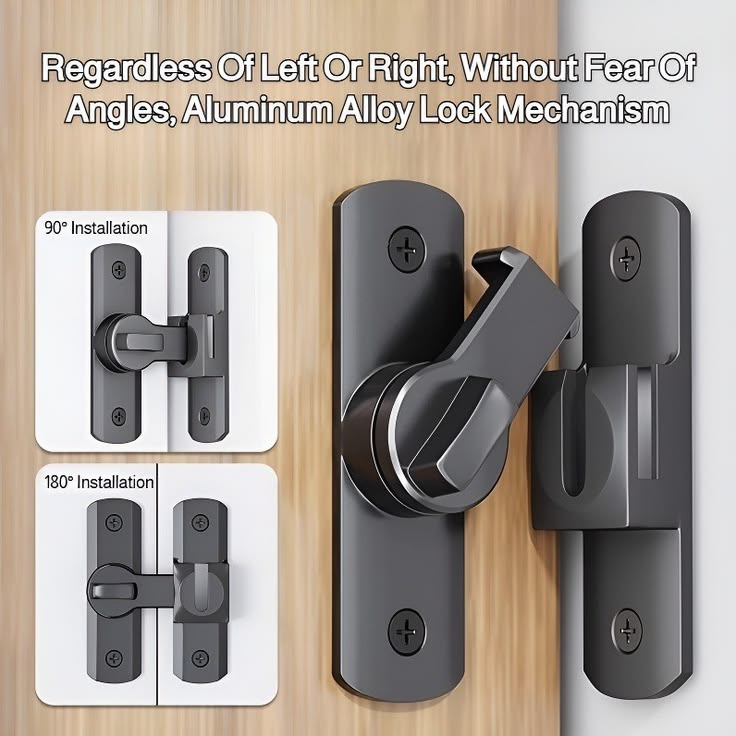
One popular type is the sliding bolt latch. It consists of a metal bar that slides into place, locking doors securely from the inside. This design is often used on gates and interior doors.
Another common option is the hook and eye latch, perfect for lightweight doors or cabinets. The hook secures itself to an eyelet mounted on the opposite side, providing easy access while keeping things locked up when needed.
Then there’s the toggle latch, which operates with a lever mechanism. This type provides added strength and ensures tight closure—ideal for toolboxes or storage units.
Each traditional or door latch serves its purpose well, blending functionality with timeless style across various settings.
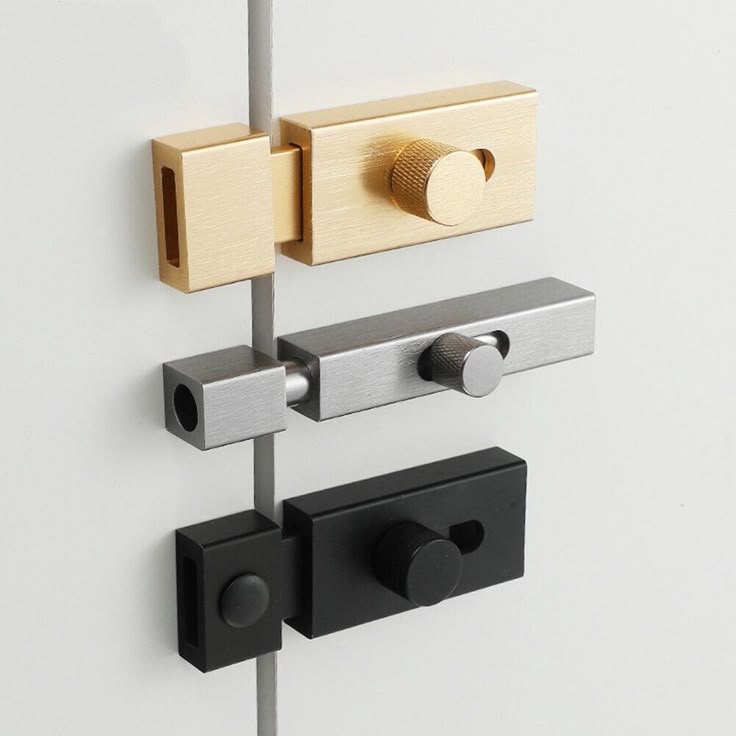
Modern Latches: Types and Advantages
Modern latches have revolutionized the way we secure our doors. They combine functionality with sleek design, making them an essential choice for contemporary homes.
One popular type is the sliding bolt latch. It provides reliable security while allowing for easy operation. Ideal for both interior and exterior doors, this latch offers versatility without compromising style.
Another innovative option is the magnetic catch latch. These are perfect for cabinet doors or light-weight applications where a seamless appearance matters. Their discreet design ensures that they blend effortlessly into any decor.
For those who value added convenience, push-to-open latches are gaining traction in modern kitchens and bathrooms. With a simple press, these latches release the door without needing a handle—a true game changer in ease of use.
The advantages of modern latches extend beyond aesthetics; many offer enhanced durability and resistance to wear over time, ensuring long-lasting performance in daily use.
Electronic Latches: Types and Technology
Electronic latches have revolutionized the way we secure our spaces. These high-tech devices offer enhanced convenience and security compared to traditional locks.
One common type is the keypad latch. Users can enter a code, eliminating the need for physical keys. This feature often appeals to families or businesses looking for easy access without compromising safety.
Another popular option is the smart latch, which connects to smartphones via Bluetooth or Wi-Fi. With these systems, you can lock or unlock doors remotely. They usually come with additional features like activity logs that track who enters and exits.
Fingerprint recognition latches are also gaining traction in residential areas. They provide quick access while ensuring only authorized users can gain entry.
The integration of electronic latches into home automation systems further elevates their appeal, allowing seamless control alongside lighting and climate management technologies.
Factors to Consider When Choosing a Door Latch
When selecting the right door latch, several factors come into play. First, consider the purpose of the latch. Are you securing an entryway or just a closet? The level of security required can significantly influence your choice.
Next, think about the material and durability. Latches made from stainless steel or brass tend to be more robust and weather-resistant than plastic options. If aesthetics matter, ensure that the style aligns with your home’s design while maintaining functionality.
Installation is also crucial. Some latches are easier to install than others, especially if you’re a DIY enthusiast. Check whether you need any special tools or skills for installation before making a decision.
Assess cost versus quality. While it might be tempting to go for cheaper options, investing in a higher-quality latch often pays off in longevity and performance over time.
By weighing these factors carefully, you’ll choose a door latch that not only meets your practical needs but also complements your space beautifully.