


Choosing the right materials for construction is crucial. Whether you’rebuilding a cozy home or a towering skyscraper, your material choices will shape not just the look but also the durability and sustainability of your project. With countless options available, it can feel overwhelming to make that perfect selection. But fear not! This guide will help you navigate through various factors, types of materials, and their pros and cons so you can make informed decisions that align with your vision. Let’s dive into this essential aspect of construction!
Factors to Consider When Choosing Construction Materials
Choosing construction materials requires careful thought. First, consider the project’s purpose. Different structures demand specific qualities from their materials.
Next, evaluate durability. Materials should withstand environmental factors like weather and wear over time. A sturdy choice can save on maintenance costs in the long run.
Cost is another vital factor. Budget constraints often dictate material selection. However, investing in higher quality options may yield better performance and longevity.
Think about aesthetics too. The visual appeal of a building plays a crucial role in its overall impact. Choose materials that align with your design vision.
Local availability matters significantly. Sourcing materials from jvk and sons Brisbane
can reduce transportation costs and support local economies while potentially cutting down on delivery times for your project.
Types of Building Materials
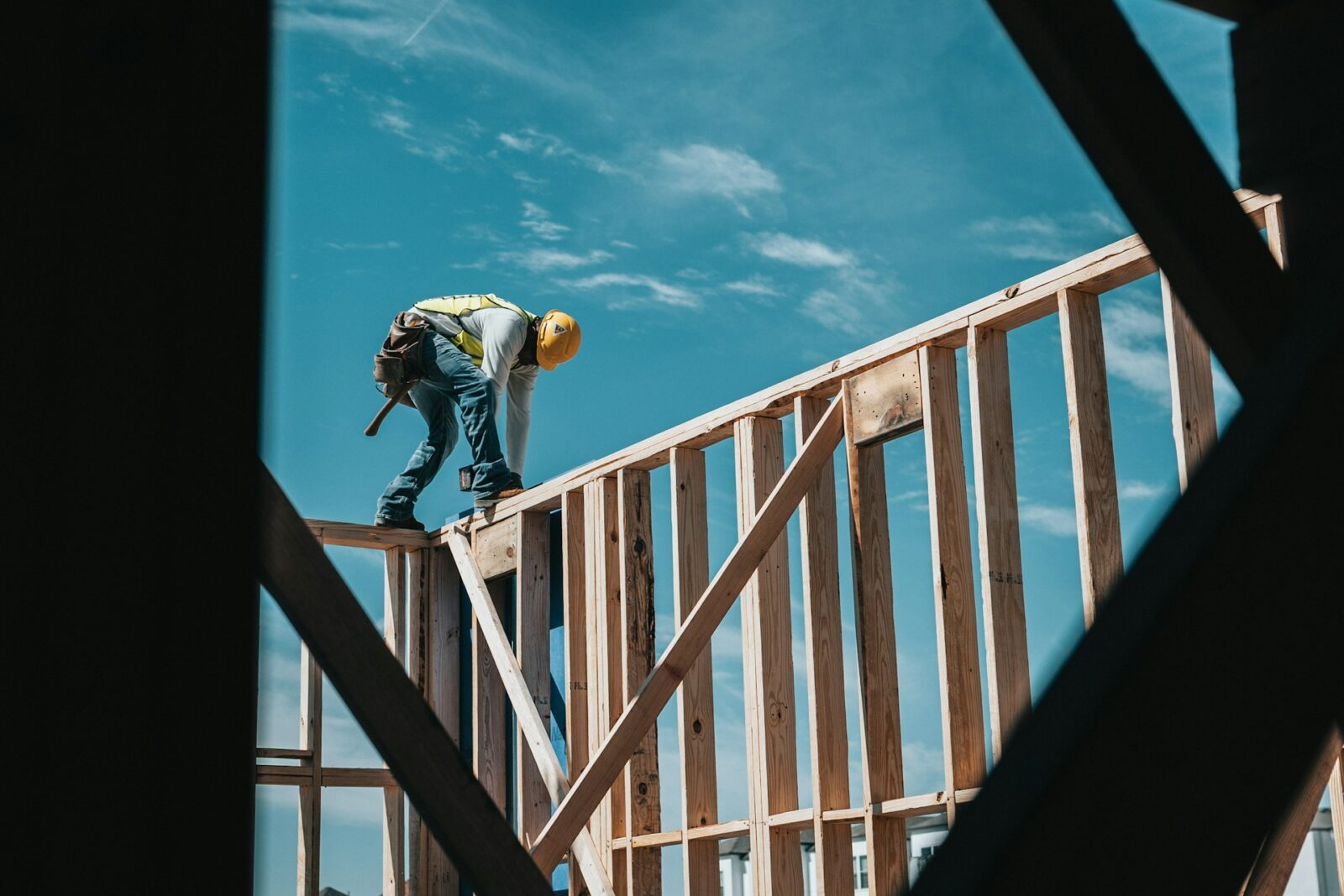
Building materials come in various forms, each suited for specific purposes. Wood is a classic choice, known for its warmth and versatility. It’s lightweight and easy to work with, making it ideal for framing.
Concrete offers durability and strength. This robust material withstands harsh weather conditions. Its fire-resistant properties make it a safe option for many structures.
Brick exudes charm while providing excellent insulation. Clay bricks are especially popular in residential architecture due to their aesthetic appeal.
Steel stands out when structural integrity is paramount. Often used in high-rise buildings, steel frames offer exceptional resilience and support.
Natural stone brings elegance to any construction project. From granite countertops to slate roofing, this timeless material elevates the overall design while ensuring longevity. Each type of building material has its unique characteristics that cater to different needs and styles.
Pros and Cons of Different Material Choices
When it comes to construction materials, each choice presents its own set of advantages and drawbacks.
Concrete, for instance, is renowned for its durability and strength. It withstands weather extremes well but can be heavy and requires significant energy for production.
Wood offers natural beauty and ease of use. It’s a renewable resource that adds warmth to any structure. However, wood is susceptible to rot and pests if not treated properly.
Steel stands out for its ability to support large structures with minimal weight. Its longevity makes it appealing, yet the potential for rusting can be a downside without proper maintenance.
Brick provides excellent thermal mass while adding aesthetic appeal. The downside? Installation can be labor-intensive and costly.
Choosing the right material hinges on balancing these factors according to project needs, budget constraints, and desired aesthetics. Each option has unique characteristics that cater to different building requirements.
Sustainable and Eco-Friendly Options
Choosing sustainable and eco-friendly materials is becoming increasingly important in construction. These options not only minimize environmental impact but also promote healthier living spaces.
Bamboo is a fantastic alternative to traditional wood. It grows quickly and requires less energy to process. Recycled steel offers durability while reducing waste from landfills, making it an excellent choice for structural elements.
Another popular option is reclaimed wood, which gives new life to old timber. This adds character to your project while preserving natural resources. Additionally, recycled concrete can be used for various applications, providing strength without the need for new raw materials.
Investing in green insulation materials like cellulose or sheep’s wool enhances energy efficiency too. These choices help reduce heating and cooling costs over time while supporting sustainability initiatives.
Using renewable resources ensures that construction practices remain viable for future generations. When you prioritize these eco-friendly options, you’re contributing positively towards a greener planet—one building at a time!