

Have you ever looked at a freshly polished car and wished it could stay that way forever? The shine, the depth of color, that feeling of being brand new—it’s irresistible. Enter ceramic coating: the modern-day armor for your vehicle’s exterior. This innovative solution not only elevates your car’s aesthetic but also offers a range of protective benefits. Whether you’re an automotive enthusiast or just someone who wants to keep their ride looking pristine, understanding ceramic coating is essential. Let’s dive into what it is, why it’s beneficial, how to prepare your car for application, and ultimately how to maintain that stunning finish long after it’s applied. Get ready to transform your vehicle care routine!
What is Ceramic Coating?
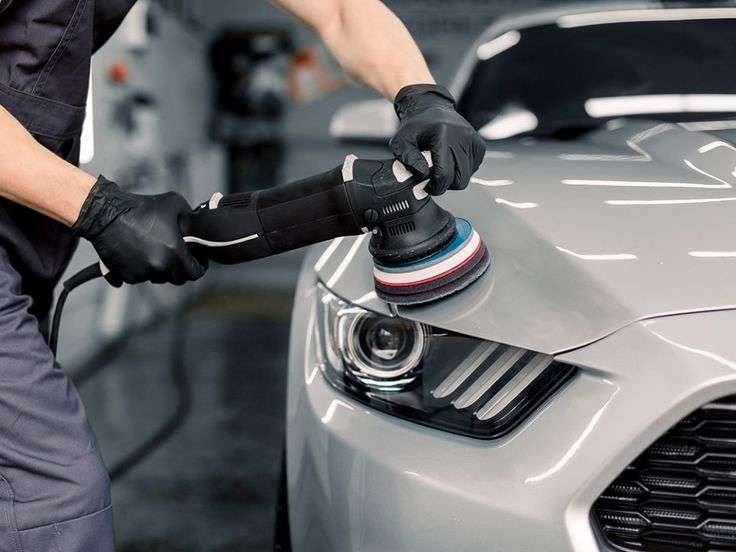
Ceramic coating is a liquid polymer applied to the exterior of your vehicle. This advanced technology forms a chemical bond with the factory paint, creating a protective layer that enhances durability.
Unlike traditional wax or sealants, ceramic coatings offer superior resistance against environmental contaminants like UV rays, dirt, and road grime. It acts as a shield that helps maintain your car’s glossy finish for longer periods.
The main ingredient in most ceramic coatings is silica dioxide (SiO2). This compound provides incredible hardness and hydrophobic properties. When properly applied, it causes water to bead up and roll off the surface effortlessly.
This means less time spent washing your car since dirt has a harder time adhering to the slick surface. The end result? A stunning shine that not only looks great but also keeps your vehicle looking newer for much longer.
Benefits of Ceramic Coating
Ceramic coating offers a remarkable layer of protection for your vehicle. It forms a strong bond with the paint, creating a barrier against harsh elements.
One significant benefit is its resistance to UV rays. This helps prevent fading and oxidation, keeping your car’s color vibrant for longer periods.
Additionally, ceramic coatings repel water and dirt. This means less frequent washing is required, saving you time and effort in maintenance.
Another advantage lies in scratch resistance. While it won’t make your car impervious to scratches, it does provide an added level of defense against minor abrasions.
Ceramic coatings enhance the overall appearance of your vehicle. The glossy finish adds depth and richness that makes any car stand out on the road.
Preparing Your Car for Application
Preparing your car for ceramic coating is crucial. A clean surface ensures optimal bonding and longevity of the product.
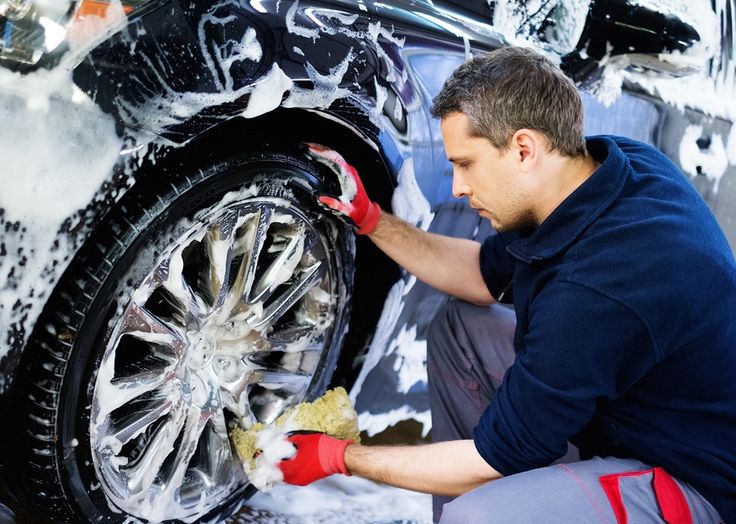
Start by washing your vehicle thoroughly. Use a pH-neutral car shampoo to eliminate dirt, grime, and old wax residues. Pay extra attention to hidden spots like wheel wells and undercarriages.
Next, dry the car completely with microfiber towels to avoid water spots. After drying, inspect for imperfections such as scratches or swirl marks that could affect the finish.
Consider using a clay bar treatment at this stage. This step removes embedded contaminants, leaving a smooth surface ready for application.
Make sure you’re in a controlled environment. Choose a cool area away from direct sunlight or dust to prevent any unwanted particles from settling on your freshly cleaned paintwork during application.
Step-by-Step Guide to Applying Ceramic Coating
Applying ceramic coating requires precision and patience. Start by washing your car thoroughly to remove dirt, grime, and contaminants.
Next, dry the surface completely using a microfiber towel. Any moisture left can hinder adhesion.
Use a clay bar to eliminate embedded impurities on the paintwork. This step ensures a smooth finish for optimal bonding.
Once prepped, work in a controlled environment with low humidity. Apply the ceramic coating product in small sections for better control.
Using an applicator pad, spread the coating evenly over the surface. Allow it to bond for several minutes as specified by the manufacturer’s instructions.
Wipe away excess product with a clean microfiber cloth before it cures fully. Repeat this process across all panels of your vehicle until complete.
After application is done, give your car time to cure properly before exposing it to water or harsh elements.
Maintaining and Caring for Your Ceramic Coated Car
Maintaining a ceramic-coated car is crucial to ensure that the protective layer lasts as long as possible. Regular care will not only keep your vehicle looking its best but also enhance the performance of the coating.
Start with gentle washing techniques. Use a pH-balanced car shampoo and a soft microfiber wash mitt. Avoid automatic car washes, as they can be harsh on the coating. Instead, hand wash your vehicle regularly to remove dirt and contaminants without scratching the surface.
After washing, drying your car properly is essential. Use clean, dry microfiber towels to prevent water spots or streaks from forming. Patience is key here; take your time to make sure every area is dried thoroughly.
Consider applying maintenance sprays specifically designed for ceramic coatings after each wash. These products help rejuvenate the hydrophobic properties of the coating while adding an extra layer of protection against environmental elements.
Be mindful when parking your vehicle in extreme weather conditions or under trees where sap and bird droppings may occur. If you notice any contaminants on your coated surface, address them promptly with a safe detailing spray or clay bar treatment to avoid potential damage.
Check periodically for signs of wear or degradation in the coating’s effectiveness—this could include reduced hydrophobic behavior or fading shine. Depending on usage and environmental factors, reapplication might be necessary every few years to maintain optimal protection levels.
With proper care and attention, your ceramic-coated car can remain gleaming like new while providing unrivaled defense against everyday challenges on the road.