



Why architects are using more advanced cladding solutions?
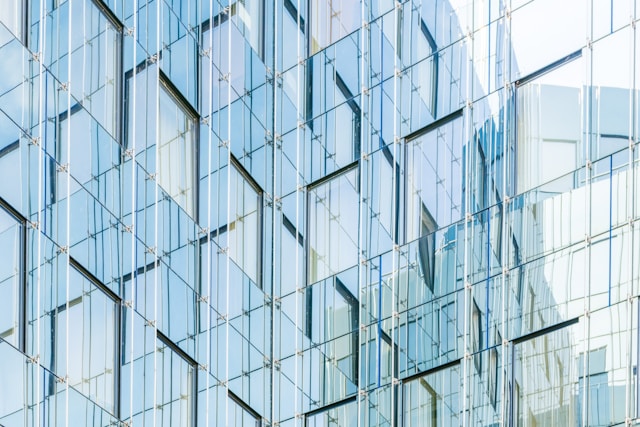
Modern architecture is always changing. Designers are always looking for materials that are strong, flexible, and look good. Glass reinforced concrete cladding is a solution that has gotten a lot of attention in the last few years. This new material is strong like concrete, but it’s also light and can be used in modern designs. Glass reinforced concrete (GRC) is different from regular concrete panels because it has fine glass fibres mixed in with the concrete. These fibres make the material stronger and less likely to crack. As a result, architects can make façade elements that are thinner and more complex without hurting how well the building works. This flexibility makes it possible to have bold, creative exteriors that stand out in both homes and businesses.
Benefits for performance that go beyond looks
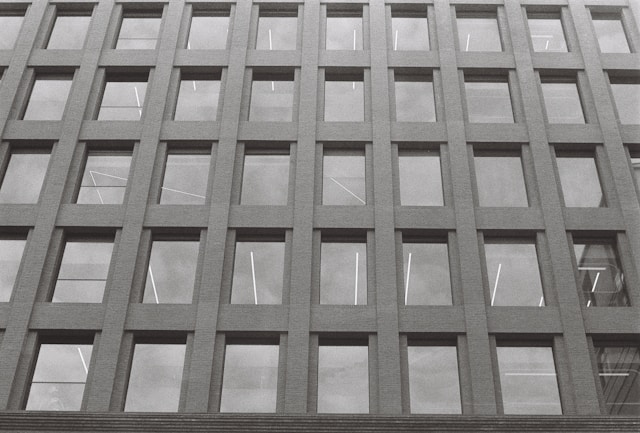
Glass reinforced concrete cladding is a popular choice among builders because it works well in a wide range of weather conditions. It doesn’t rust, get wet, or catch fire, which makes it perfect for Australia’s wide range of weather. GRC panels stay strong over time, even when they are in salty air near the coast or in very hot weather. Another benefit is that it makes things lighter, glass reinforced concrete cladding panels are much lighter than regular precast concrete. This lowers the amount of weight that the structure needs to hold and can lower the overall cost of building. Installation also goes more smoothly, especially when combined with mechanically fixed cladding systems that make the building safer and more stable. GRC is not only strong and long-lasting, but it is also very flexible in terms of design. You can shape panels into curves, patterns, textures, and finishes that are unique to you. This flexibility lets architects copy the look of natural stone or make smooth, modern surfaces without the heavy weight or high cost of solid materials.
Helping to make building more environmentally friendly
Sustainability is now a top priority in construction, and the materials used for cladding are very important for how well the building performs environmentally. Because it is thin, glass reinforced concrete uses less raw material than regular concrete panels. This cut helps lower the embodied energy used in making and moving the product. GRC cladding can also make a building’s thermal performance better when used with the right insulation systems. It helps keep the temperature inside stable and makes the building more energy efficient by acting as a protective layer on the outside. This can help property owners save money on heating and cooling costs over time. Durability is another factor that helps with sustainability. A façade that lasts a long time means fewer replacements and less waste over the life of a building. It is a good choice for long-term performance because it doesn’t need much maintenance and uses fewer resources.
A new way to get long-term value
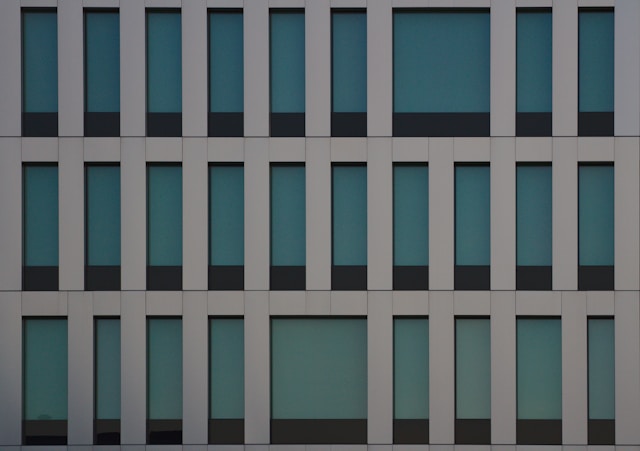
Both property developers and homeowners like materials that are both stylish and dependable. Glass reinforced concrete cladding does this by giving buildings a modern look without making them weaker. It can handle tough conditions and still look good, which makes it a good investment for modern building. As architectural styles continue to favour clean lines and new shapes, GRC is still a material that allows for creativity while meeting strict performance standards. This advanced cladding solution adds visual interest and long-term value to projects that need durability, design flexibility, and efficiency.