



Every workshop needs the right tools to get the job done efficiently and safely. Among these essential tools, lifting equipment plays a pivotal role in handling heavy materials, ensuring that tasks are completed without strain or injury. Whether you’re a seasoned mechanic, an avid DIYer, or managing a commercial workspace, understanding the ins and outs of lifting equipment can transform your productivity.
But with so many options available—from hoists and jacks to forklifts—how do you know which one is right for your specific needs? The choice might seem daunting at first glance. However, selecting the appropriate lifting equipment doesn’t have to be overwhelming. With some guidance on types available and key factors to consider, you’ll be well-equipped to make informed decisions that will elevate your workshop’s efficiency while keeping safety front and center. Let’s dive into the world of lifting gear!
Common Types of Lifting Equipment
When it comes to lifting equipment, variety is key. Each type serves a distinct purpose and caters to different workshop needs.
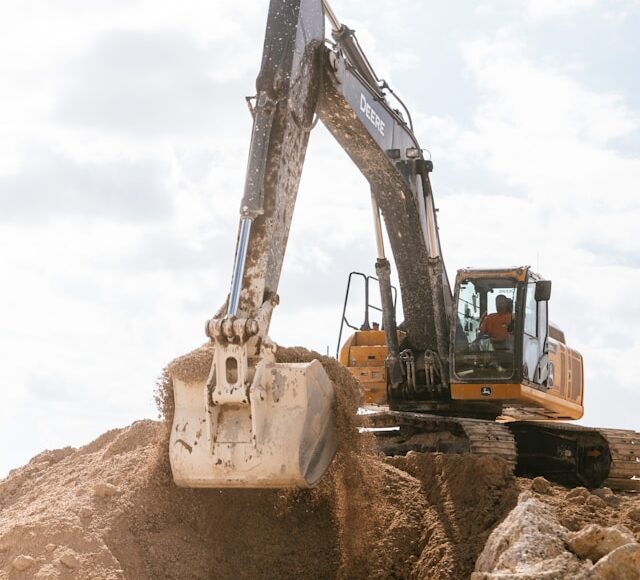
Cranes are heavy-duty machines ideal for moving large items vertically and horizontally. They come in various forms, including tower cranes and gantry cranes, depending on the workspace requirements.
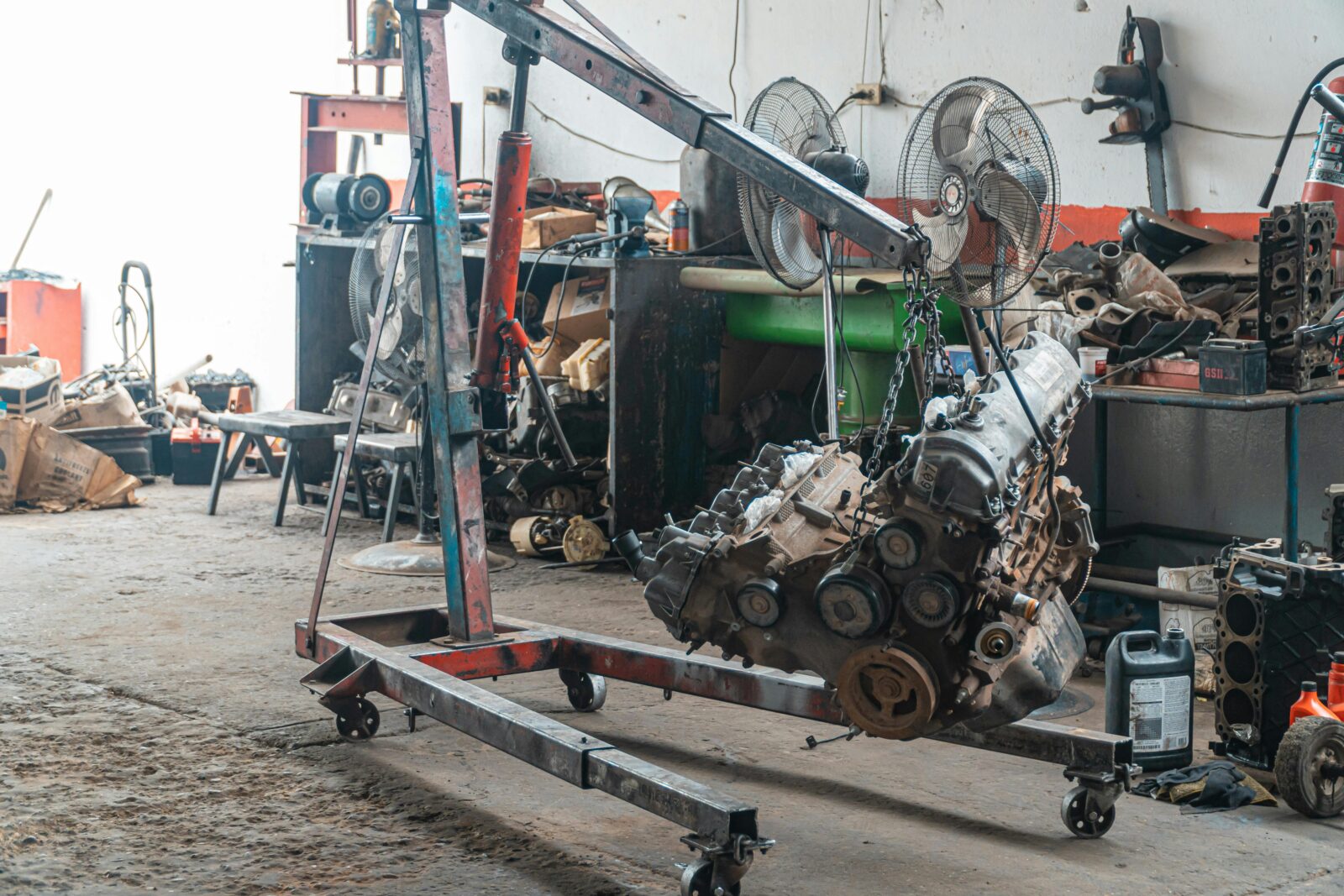
For lighter loads,joelsgaragegear.com.au offer a compact solution. These devices can be manual or electric and are perfect for lifting objects overhead without taking up too much floor space.
Forklifts play an essential role in warehouses. They help lift pallets with ease, making them indispensable for stock management.
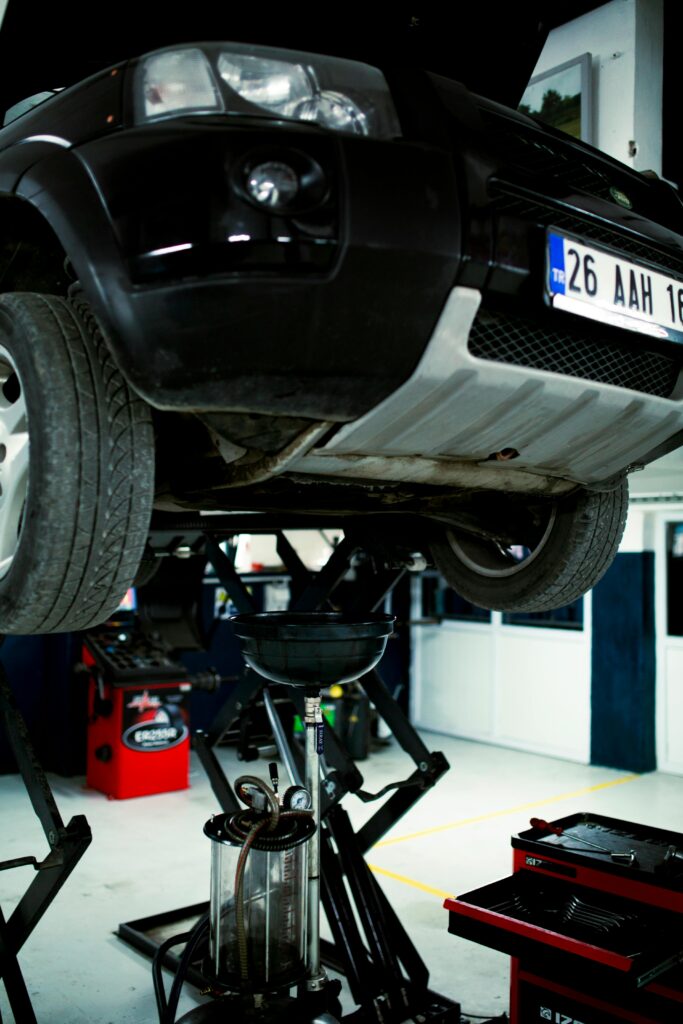
Jacks provide support during repairs or maintenance tasks. With hydraulic options available, they’re invaluable for working under vehicles safely.
Understanding these types empowers you to select the right equipment tailored to your workshop’s specific demands.
Factors to Consider When Choosing Lifting Equipment
Selecting the right lifting equipment involves several key factors. First, assess the weight and size of the loads you intend to lift. Different machines handle various capacities.
Next, consider the height requirements for your workspace. Will you need a simple hoist or something more robust?
The environment is also crucial. Indoor workshops may require different features compared to outdoor settings where weather elements come into play.
Ergonomics should not be overlooked either; equipment that reduces strain on workers will enhance efficiency and safety.
Ease of use matters significantly. Look for intuitive controls that allow operators to work confidently without extensive training. Each factor plays a vital role in ensuring productivity and safety in your workshop setting.
Budget and Safety Concerns
When selecting lifting equipment, budget and safety should be top priorities. Cutting costs might seem appealing, but it can lead to dangerous situations down the line.
Investing in quality gear ensures longevity and reliability. Inferior products may save money upfront but often result in costly repairs or replacements later.
Safety is paramount in any workshop environment. Equipment that doesn’t meet safety standards can jeopardize the well-being of workers. Always check for certifications and ratings before making a purchase.
Consider ongoing maintenance costs as well. Some machinery requires more upkeep than others, which can add to long-term expenses.
Balancing your budget with high safety standards will yield better outcomes for both efficiency and worker satisfaction. Making informed decisions now fosters a safer workplace tomorrow.
Recommended Brands and Models for Different Workshops
When it comes to selecting the right lifting equipment for your workshop, there are numerous options available from various reputable brands. Each brand has its strengths, making certain models ideal for specific applications.
For automotive workshops, brands like Snap-on and OTC dominate due to their durable hydraulic lifts and jacks that can handle heavy vehicles with ease. Their products are known for reliability and safety features that ensure peace of mind while working on cars.
If you’re in a manufacturing or industrial setting, look at companies such as Hyster or Yale. They offer robust forklifts designed to optimize efficiency while maintaining safety standards. These machines can lift substantial loads over long distances within warehouses.
For smaller shops or home usage, consider portable solutions from manufacturers like Blackhawk or Pro-Lift. Their compact jacks and hoists provide an excellent balance between power and space-saving design without compromising on quality.
If you’re focused on sustainability alongside performance, electric lifts from EcoLift might be worth exploring. They combine eco-friendly technology with innovative designs suitable for modern workshops aiming for greener operations.
Choosing the right model is essential not just for functionality but also for enhancing productivity in your workspace. By considering factors such as application needs, budget constraints, and user reviews across these trusted brands will help you find the perfect fit tailored specifically to your workshop’s requirements.