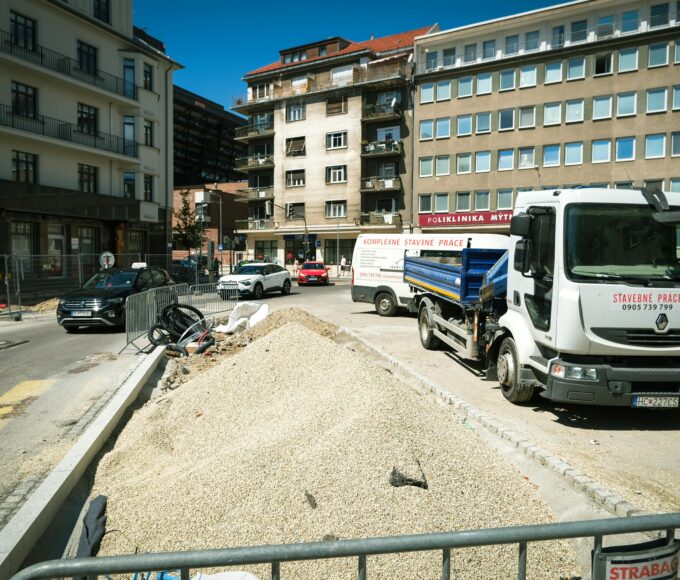




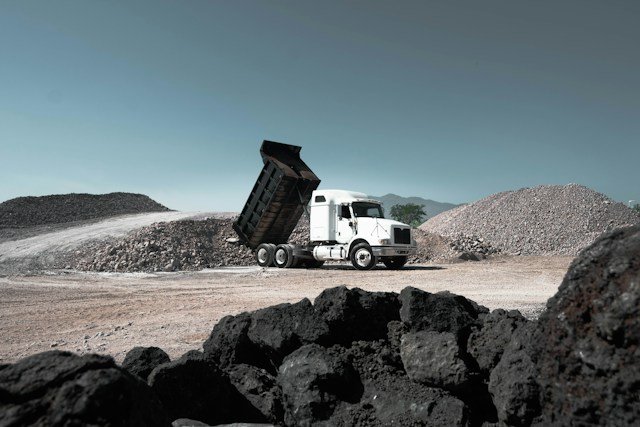
Several tonnes of rock can be delivered onto a driveway within one minute. Whether or not this will result in a durable surface or a few days of frustration can usually be decided days ahead. Proper choice of the stone, proper amounts, and availability of a place where a truck could deliver it are the most basic aspects of any successful delivery of bulk gravel.
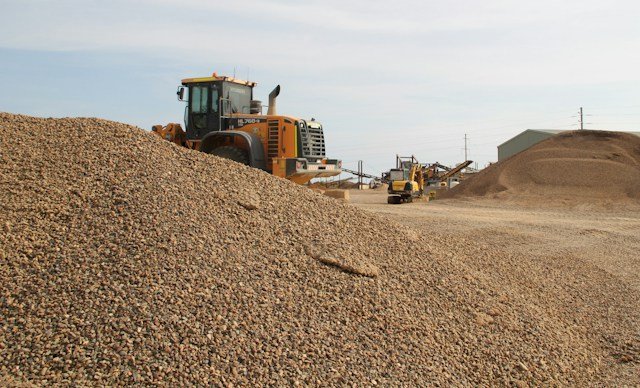
Why Australians Are Choosing Stone Over Grass In Their Yards?
Lawns consume water, effort to mow, and time, and many families do not have enough of all three. Stone surfaces, ordered via a quick search for bulk gravel delivery near me, provide a more enduring and weatherproof replacement and can cope with extended periods of dry summer heat. Stone is also a natural companion of native, drought-resistant plants found in contemporary gardens.
Stone has its applications way beyond landscaping purposes:
- Driveway foundations and parking spaces for trailers, boats, or caravans.
- Walkways and side entrances that will not get muddy in winter.
- Drainage layer under retaining walls and paving.
- Ground cover in the areas of succulents and hardy plants.
Each of these applications requires different properties from the rock underneath.
Matching The Right Stone To The Job
When picking out gravel, the shape matters a lot more than the colour. Crushed rock has all those sharp, broken edges that lock into place when it’s compressed, making it a lot more stable underfoot and under tyres. Rounded pebbles, on the other hand, just roll around, which makes them look pretty in a garden bed but tend to shift all over the place on a path.
At the practical end of the scale, you have road base, which is just a mix of crushed rock and fine particles that pack down hard when you’re done with it. Blue metal is used a lot for drainage work and mixing up concrete. Then you have the decorative options like pea gravel and river pebbles; they’re great for softening the edges of ponds, planters and courtyards and making them look that bit nicer.
The size of the stone also makes a big difference in how a surface feels and performs, whether it’s pleasant on the soles of your bare feet or whether it can take the weight of a car driving over it. Smaller stones are a lot easier to rake level and less likely to hurt your feet if you walk on them barefoot. Larger stones, on the other hand, can help hold steep ground in place and withstand heavy traffic. Suppliers typically measure their stone in millimetres, so asking them which size is going to be best for the job you have in mind saves you a fair bit of guesswork.
Trying to choose a surface based on looks alone can lead to a disaster; within months it’ll be rutted, sinking or scattering all over the place.
Working Out How Much Gravel To Buy
The big problem with buying too little gravel is that it usually ends up costing you a second delivery fee, and buying too much leaves you with a huge pile on the lawn. Most suppliers sell by the cubic metre or by the tonne. To figure out how much you need, you multiply the length, width and depth of the area you need to cover in metres. Depth is a bit of an art; it varies depending on the job. A path that’s just for show doesn’t need anywhere near as much stone as a driveway that’s going to have a car driving over it, and stone also settles a fair bit once it’s been compacted. Lots of people end up ordering a little extra just to avoid a surface that’s patchy and uneven.
It’s worth noting that uneven ground tends to swallow up a lot more material than you anticipate from a tape measure.
Prep Work For Delivery Day
When the tipper truck shows up, you’ll need a bit more room than you think. Solid ground, clear overhead space and enough width to let the truck tip safely; these are all pretty much essential. And be careful about branches, power lines and soft lawn after rain; it can turn a quick drop into a delivery that doesn’t happen at all.
Most councils have rules about placing materials on footpaths or nature strips without approval. Some of them do allow a small stockpile under a permit, while others expect you to keep everything inside the property boundary. There’s a bit of prep work you can do to protect the site:
- Lay down a tarp or plywood sheets where the load is going to land.
- Mark any sprinkler heads and shallow pipes that could get cracked by a heavy load.
- Keep the little ones and the pets inside while the truck reverses and tips.
Keeping The Gravel Where It Belongs
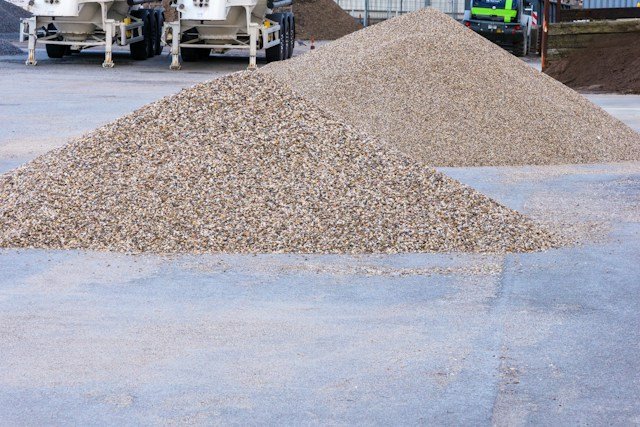
Gravel doesn’t stay put on its own; it gets washed away by rain, pushed around by foot traffic and blown by leaf blowers into lawns, driveways and eventually into stormwater drains. The best way to stop this is by using edging made from steel, timber or concrete to hold the boundary firm, and a weed mat underneath to slow down both weeds and sinking.
And then there’s the fine particles; these are the ones that cause the biggest environmental problem. When they get washed into drains, they cloud up the creeks, smother the plants that live on the creek bed and clog pipes that councils have to pay to clear. So what you can do is cover the pile between work sessions and keep it as far away from gutters as possible; it stops most of the runoff before it even starts.