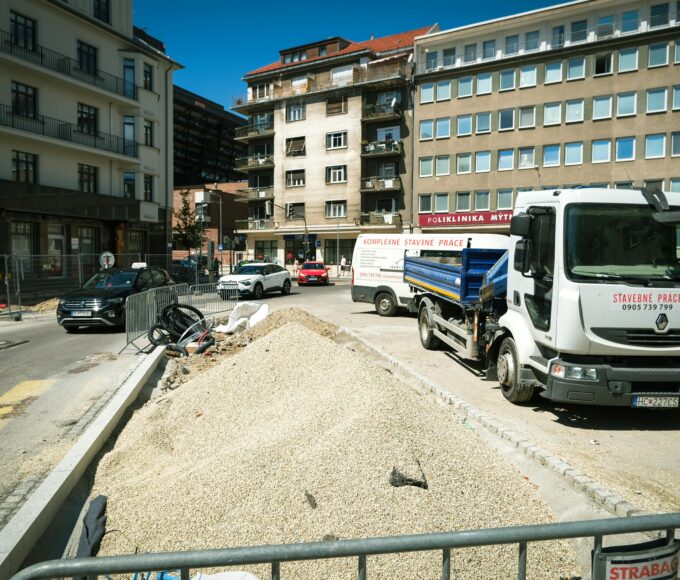




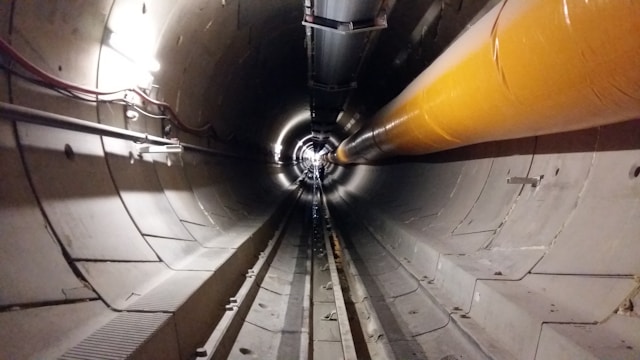
Confined spaces are places that aren’t meant to be lived in all the time and usually only have a few ways to go in and out. Tanks, silos, pipelines, tunnels, and storage containers are some examples. These kinds of places can be quite dangerous since they have bad ventilation, dangerous gases, limited movement, and hard-to-reach emergency exits. People who work in these situations need to be adequately trained to spot and deal with possible dangers. If you don’t prepare properly, accidents in restricted spaces might cause serious injury or death. Before accessing these areas, workers must go through thorough training to make sure they know the rules of safety and the law.
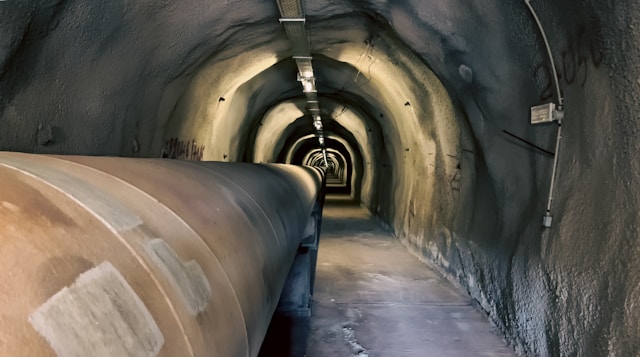
Why you should take a course on entering confined spaces?
Taking a confined space entry course training gives people the basic knowledge and abilities they need to work safely. Training usually includes how to spot hazards, assess risks, respond to emergencies, and utilise personal protective equipment (PPE) correctly. Participants learn how to check the weather, use gas detection tools, and take steps to lower hazards. Real-world situations are better handled by personnel who have done practical simulations. It’s also important to learn about permit systems and communication protocols as part of the training. Certification shows that you follow the rules for safety at work. Before going into restricted areas, personnel in several fields, such as construction, mining, and manufacturing, must have valid confined space certifications.
Making the workplace safer and more compliant
Training that is done right protects not only individual workers, but whole teams as well. Employers gain from fewer accidents at work and better compliance with health and safety requirements at work. Putting money into training your team indicates that you care about keeping the workplace safe. People who work in high-risk fields may need further training as well. For instance, workers may need to take a refresher course on working at heights that Perth programs offer to make sure they are safe when working above ground level. It’s important to keep your qualifications up to date. Regular refresher training helps personnel remember safety rules and keep them up to date on new rules and requirements for equipment.
How to Pick a Good Training Provider?
Look for accredited schools with experienced teachers when choosing a training provider. Training that is practical and hands-on is very important for gaining confidence and skills. Clear course outlines and recognised certifications show that you are professional and trustworthy. Flexible schedule choices make it easier to work in congested places. Some suppliers offer training on-site that is specific to the demands of the sector. Taking a restricted space entry course is a proactive step in making your job safer and moving further in your career. Workers learn how to work safely in dangerous places when they get the right training and certification. Putting money into professional safety training saves lives, helps businesses follow the rules, and raises the bar for safety across all industries.